 How-to
Tailor Made Safari With Local Guide: Plan Your Own Trip
Last Updated: November 13, 2026
Quick Summary
A tailor made safari with local guide is a privately planned African wildlife trip where an in-country specialist builds the route, camps and daily activities around your interests, then guides you personally through it. You start by listing your must-see experiences, trip length, travel style and budget per person per day, then ask for a written itinerary with drive times.
- Ten to fourteen days suits a two-country journey, while seven days works for one region done properly.
- Ask where your guide grew up, which licence they hold and whether they live in the region year-round.
- Request an itemised quote covering accommodation, park fees, guiding, transport, meals and exclusions.
- Test response speed with two emails before paying anything, and get cancellation terms in writing.
- Open-sided 4x4s give clean sightlines, while pop-up roofs protect you from dust and rain.
Table of Contents
- Why a Tailor Made Safari With a Local Guide Beats a Package
- How to Build a Custom Safari Itinerary Around Your Interests
- What a Genuinely Local Safari Guide Brings to Your Trip
- How to Vet African Safari Tour Operators Before You Pay a Deposit
- Choosing a Safari Vehicle for Photography and Comfort
- What Drives the Price of a Bespoke Safari
- Enquire About a Tailor Made Safari With Isba African Safaris
- Frequently Asked Questions
Why a Tailor Made Safari With a Local Guide Beats a Package
A tailor made safari with local guide is a privately planned African wildlife trip where an in-country specialist builds the route, camps and daily activities around your interests, then guides you personally through it.
The difference shows up in small things.
Packages also price in compromise: shared vehicles, fixed departure dates and stops where the coach stops. A custom itinerary can remove all three, but choose your operator carefully.
How to Build a Custom Safari Itinerary Around Your Interests
Start with what you actually want to see, then let a specialist fit the map around it. Most first-time travellers do the reverse, picking a country and hoping the wildlife follows.
Here is a practical workflow for planning your trip:
- List your three must-see experiences. Gorilla trekking, a river crossing, big cats at dawn, birding, photography hides.
- Set your realistic trip length. Ten to fourteen days suits a two-country journey. Seven days works for one region done properly.
- Name your travel style. Tented camp, luxury lodge, mobile camp that moves with the herds, or a mix.
- State your budget per person per day. This single number shapes every accommodation and transport decision.
- Ask for a written itinerary with drive times. Vague itineraries hide long, tiring transfers.
- Review, then adjust once. Good operators expect one round of changes; endless revisions usually mean the brief was unclear.
Write the brief down before you contact anyone. Operators can respond far better to specifics than to "somewhere with lots of animals."
Destination and Season: The Two Decisions That Shape Everything
Destination and seasonal timing decide more of your trip than any other choice.
East Africa suits first-timers wanting the migration and open plains. Southern Africa rewards travellers who value self-drive options, walking safaris and drier, more predictable game viewing.
The dry season concentrates animals around water and makes game viewing easier.
For a full walkthrough of shaping a trip from scratch, see our guide on how to plan a bespoke African safari.
What a Genuinely Local Safari Guide Brings to Your Trip
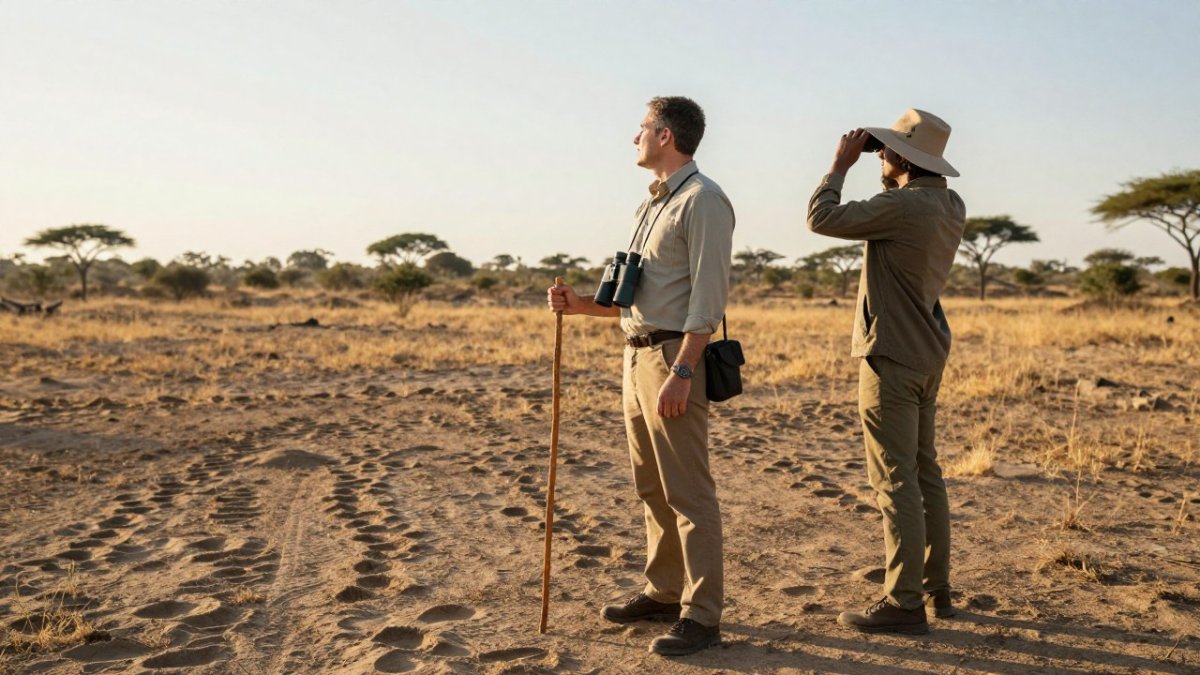
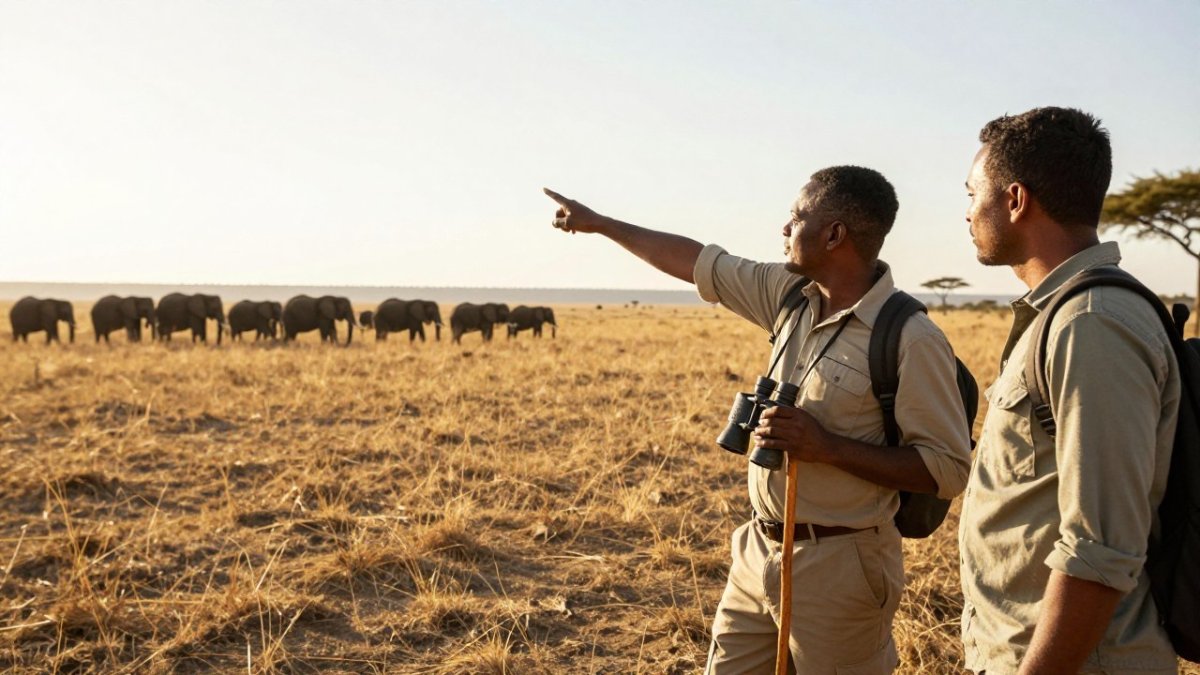
A genuinely local guide grew up in or near the wildlife region and reads the bush from daily experience.
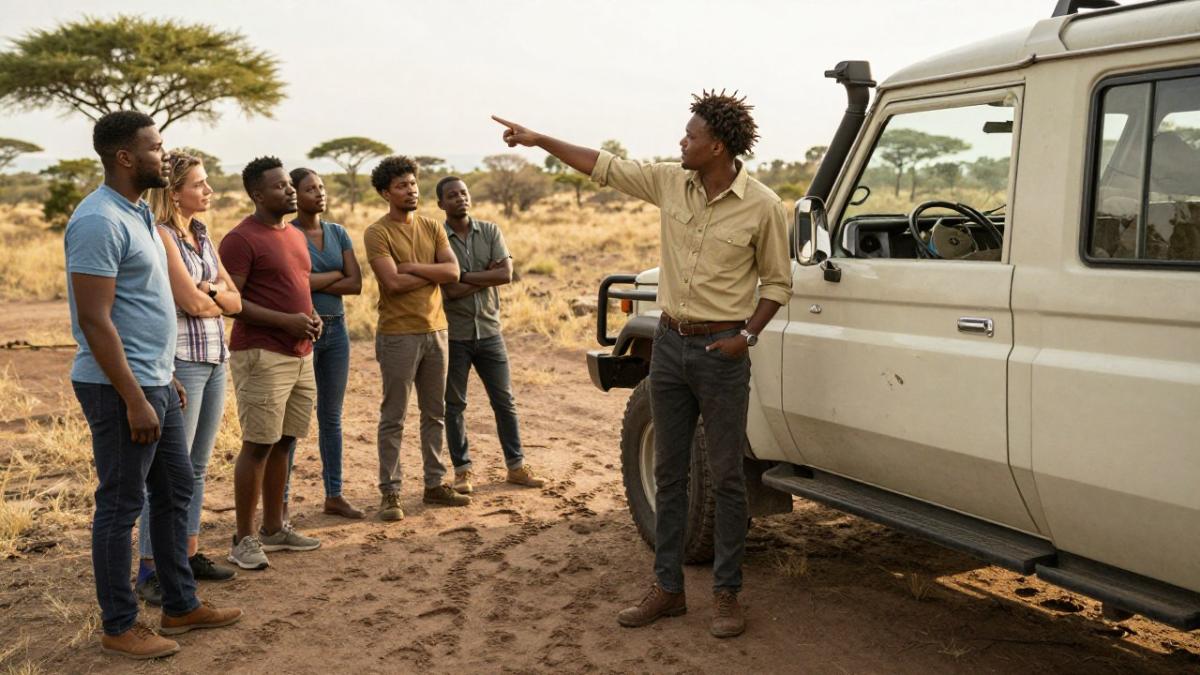
What separates a local guide from one flown in for the season:
-
Track reading. They notice a fresh drag mark and know which predator made it, and when.
-
Language and culture. They can explain local customs and often speak the local language as well as English.
-
Patience. They stop for the small things, chameleons, dung beetles, bird calls, because they find them interesting too.
How to Verify That Your Guide Is Actually Local
"Local" is a word operators use loosely. A guide can be a national of the country and still have grown up in a city a thousand kilometres from the park. If local knowledge matters, ask these questions in writing before you book:
- Where did the guide grow up, and in which region do they guide? A guide who grew up beside the Luangwa or the Mara ecosystem will read that bush differently from one who transferred in from another country.
- Which guiding licence or accreditation do they hold, and what is the number? Many safari countries license or accredit guides through professional bodies or statutory authorities. Ask for the credential and number, then verify it with the issuing body.
- Which languages do they speak? A guide who speaks the language of the communities you will drive through can introduce you properly rather than narrating from the driver's seat.
- Are they employed directly or subcontracted per trip? Directly employed guides can know the operator's vehicles, safety procedures and camp teams well. Subcontracted guides can also be excellent.
- Can they describe a recent sighting in detail? Ask them to talk you through the last week in the bush. A local guide will name specific prides, packs or herds and the areas they have been working.
- Do they live in the region year-round? Seasonal guides who follow the migration are skilled, but a resident guide knows the off-season, the quiet corners and the community relationships that make a trip feel rooted.
Guides can be booked well ahead, especially in peak season. If an operator cannot name your guide until shortly before departure, ask why, and get the name and licence number in your booking confirmation.
What Local Knowledge Adds Beyond Wildlife
A local guide changes the texture of the trip, not just the sightings. They know which village market is worth a stop, which community-run craft project actually returns money to the makers, and which school welcomes visitors rather than tolerating them.
That matters for responsible travel.
A common mistake is hiring on price alone, since the cheapest guide is not always the most experienced one. For more, see our article on choosing experienced safari guides in Africa.
How to Vet African Safari Tour Operators Before You Pay a Deposit
Vet operators on licensing, guide employment, financial protection and communication speed before any money changes hands. A deposit is where good planning meets real risk, and the questions you ask now determine whether your tailor made safari with local guide is built by a genuine specialist or resold by a middleman.
Work through this checklist:
- Confirm the company is licensed and registered in the country it operates in, and ask for the registration number
- Ask whether guides are employed directly or subcontracted per trip
- Request the name and licence number of your assigned guide
How to Verify Licensing and Financial Protection
Registration is not the same as licensing. In many safari countries, tour operators must be registered with a national tourism authority or business registry, and guides may hold a separate guiding licence.
Payment protection matters just as much. Ask whether deposits are held in a trust or escrow account, and whether the operator carries public liability and passenger insurance. If paying by bank transfer, confirm the account name matches the registered company name exactly.
How to Read an Itemised Safari Quote
A single per-person price hides where your money goes. Ask for a line-by-line breakdown covering accommodation, park and conservancy fees, guiding, vehicle and fuel, internal flights or road transfers, meals, activities and tips. Then compare quotes like for like:
- Accommodation nights and room type. A quote that lists "lodge" without naming it is not a quote.
- Park fees. These are set by governments and conservancies and should appear as a separate line. Permit costs are usually fixed and published, so they should not be bundled invisibly.
- Guiding and vehicle. Confirm whether the guide and vehicle are private for your group or shared, and how many days of guiding are included.
If an operator will not itemise, that is your answer. Transparent operators expect the question and answer it quickly.
How to Assess Responsible-Tourism and Community Claims
Many operators now claim community benefit and conservation contribution. Ask for specifics rather than slogans:
- Local employment. What proportion of guides and camp staff are hired from the region, and are they employed year-round or seasonally?
- Community ownership. Is the camp or conservancy community-owned, or does it pay a lease or dividend to local landowners? Some conservancies publish these arrangements.
- Conservation contribution. Does a stated percentage of the trip cost go to a named conservation fund, and can the operator show how it is spent?
A good local guide is your best check on these claims, because they see the camp and community relationships first-hand. Ask your guide directly whether the camp employs people from the area and whether the community benefits.
Watch out: silence after a deposit is the most common complaint in safari travel. For a deeper version of this process, read how to choose a safari operator you can trust.
Choosing a Safari Vehicle for Photography and Comfort
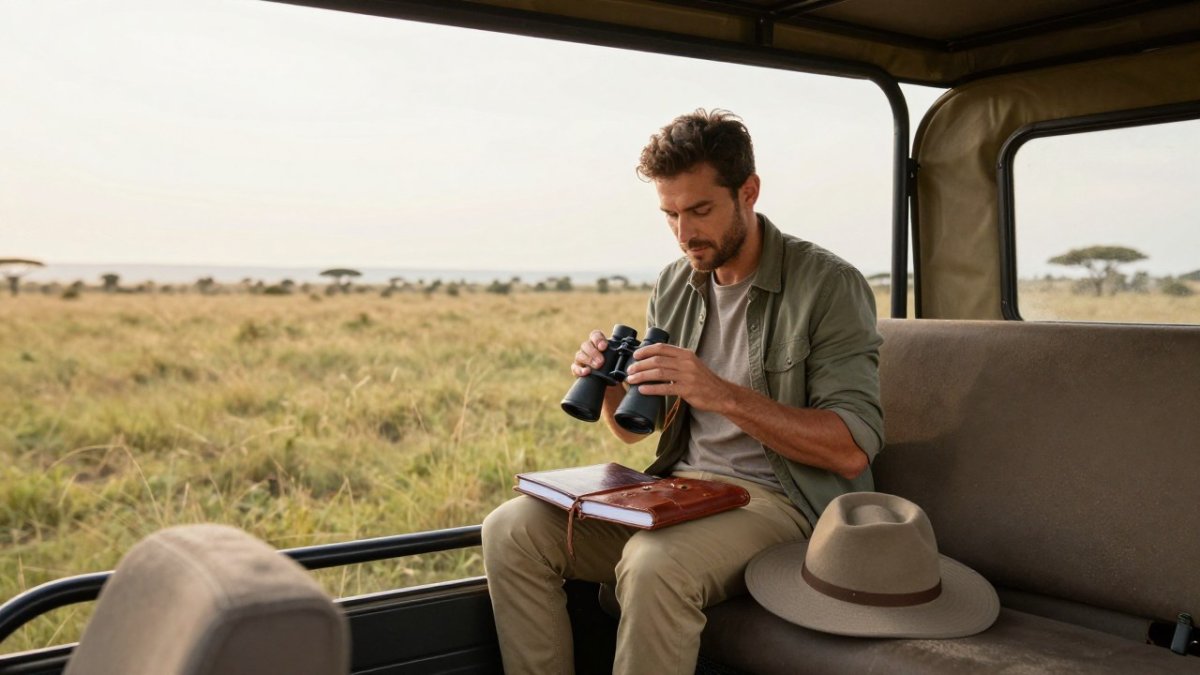
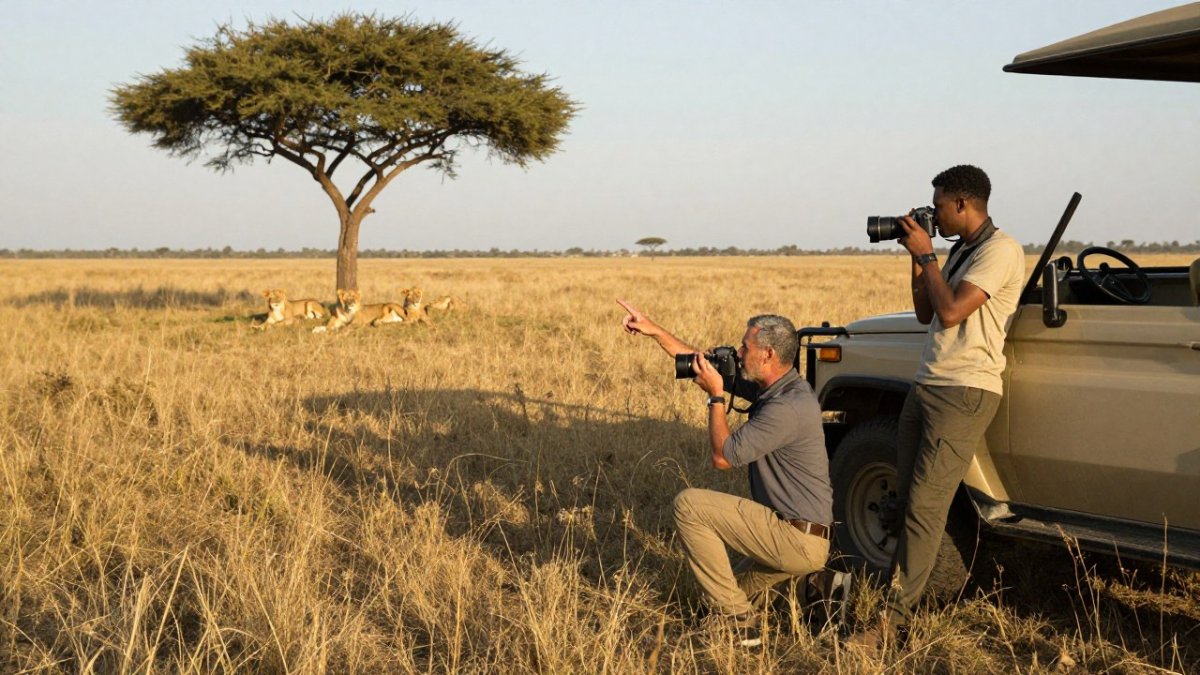
Vehicle choice decides your photographs as much as your lens does. Open-sided 4x4s give clean sightlines. Closed vehicles with pop-up roofs protect you from dust and rain but limit low angles.
For photography, prioritise window seats for every passenger, a stable rest for long lenses, and a guide willing to switch off the engine.
Comfort matters on long transfers. Photography-minded travellers will find more detail in our tips for choosing a photography safari guide.
What Drives the Price of a Bespoke Safari
Price per person per day is a useful number to compare, and it depends on factors such as accommodation tier, park fees, transport and group size.
A useful way to compare quotes:
| Cost driver | What raises it | What lowers it |
|---|---|---|
| Accommodation | Luxury lodges, peak season | Tented camps, green season |
| Park fees | Premium reserves, gorilla permits | National parks, off-peak dates |
| Transport | Light aircraft, multi-country routes | Road transfers, single region |
| Group size | Private vehicle for two | Small-group sharing |
Pricing depends on dates, group size and the itinerary, so please request a quote for current rates. If budget is tight, read whether you can plan a bespoke safari on a budget before you start negotiating.
Enquire About a Tailor Made Safari With Isba African Safaris
Building a trip around your own interests takes a specialist who listens, and that is the part we take seriously.
Three things make the difference for our travellers: a tailor-made itinerary, a team of bilingual, locally trained guides, and timely responses to enquiries, typically within 24 hours. Multi-generational groups and photographers can be catered for with a tailored approach.
Tell us what you want to see. We will tell you honestly whether it is realistic, and build the trip around it.
The gap between an ordinary safari and an unforgettable one usually comes down to who is driving and who planned it.
Frequently Asked Questions
How do I plan a tailor made safari with a local guide?
Start by defining your travel dates, group size and what you most want to see, then approach a local operator rather than a reseller. Ask for a custom safari itinerary that names each park or reserve, the accommodation type and the guiding arrangements. Ask how your guide is engaged by the operator. Confirm vehicle type, group size per vehicle and what happens if plans change. Ask for a clear quote and get the cancellation and refund terms in writing before paying a deposit.
What are the benefits of travelling with a local safari guide?
A local safari guide knows the seasonal movements of wildlife in their own region, which tracks and waterholes are productive that week, and which routes avoid crowds. They often speak the local language and can explain cultural context that a visiting guide cannot. Because they live nearby, they also tend to have direct relationships with camp staff and park authorities, which helps when you want a permit changed or an early gate entry. For photographers, that local knowledge often means being in the right position at the right hour rather than following a fixed circuit.
How many days should a tailor made safari last?
Seven to ten days suits most first-time safari travellers, allowing two or three nights in each of two or three areas without spending too much time in transit. A focused trip to one region can work in five or six days, while multi-country journeys or gorilla trekking combined with game viewing usually need twelve days or more. Build in a rest day if you are travelling with children or older family members. The right duration depends on how far apart your chosen destinations are and how much time you want in each camp.
What should I look for in a safari vehicle for photography?
Look for a vehicle with good sightlines and enough space that everyone can shoot without knocking elbows. Ask how many guests share the vehicle: four to six is workable, eight is cramped for photography. Check the vehicle's comfort features, such as shade and water provision for long days. A specialist guide who understands light direction and will position the vehicle for the sun is worth as much as the vehicle itself.