 blog
7 Tips for Choosing a Photography Safari Guide
Last Updated: 2 November 2026
Quick Summary
To choose a photography safari guide, prioritise local wildlife knowledge and tracking skill, then check they understand light, framing and vehicle positioning. A guide who predicts animal movement and lets you shape the shot will do more for your images than any camera upgrade.
- Ask how long the guide has worked in the specific parks you plan to visit.
- Strong guides read tracks, droppings and alarm calls to find animals.
- Ask how they position the vehicle for different light conditions.
- Confirm they will let you choose the framing rather than moving you on quickly.
- Private safaris give more control over pace, timing and positioning than shared vehicles.
Table of Contents
- Why Your Guide Matters More Than Your Camera
- Check Local Wildlife Knowledge and Tracking Skill
- Questions to Ask a Safari Guide Before Booking
- Private Safari Guide for Photography: What to Look For
- Safari Vehicle Positioning for Photography
- Private Versus Group Photography Safari: Which Suits You
- Booking Your Photography Safari With Isba African Safaris
- Frequently Asked Questions
Why Your Guide Matters More Than Your Camera
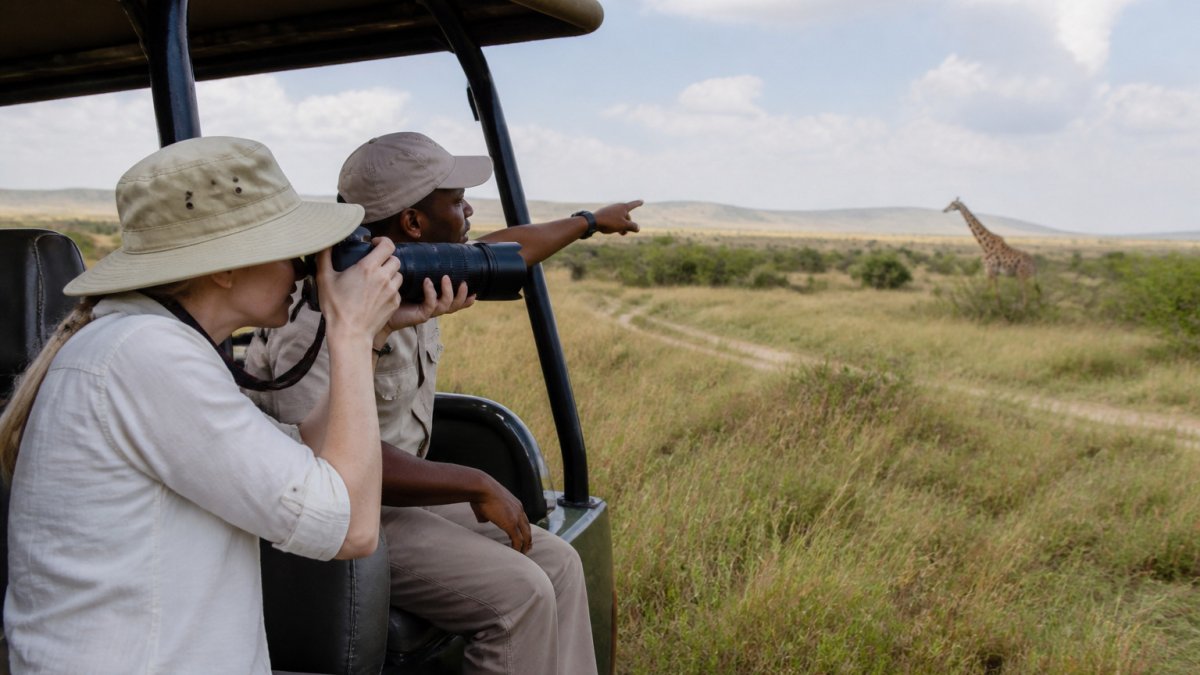
Most safari photographers spend weeks researching cameras and lenses. Then they hand over the real decision to whoever is driving the vehicle. That's the mistake. On a photography safari guide's watch, your guide decides where you stop, how close you get, and whether the light is working for you when the animal finally appears.
A good guide reads animal behaviour and predicts movement. A weak one just follows the crowd to the nearest sighting. The gap between those two is often the difference between a memorable image and a blurry record shot.
For photographers, guide selection is the first and most important tip. Your gear can only capture what your guide puts in front of you.
Check Local Wildlife Knowledge and Tracking Skill
Ask how long the guide has worked in the specific parks you're visiting. Knowledge of one reserve doesn't transfer neatly to another. Each has its own animal patterns, water sources and seasonal movements.
Strong guides can:
- Read tracks, droppings and alarm calls to locate animals
- Anticipate where a leopard or pride is likely to move next
- Explain why an animal is behaving the way it is
- Adjust the route when conditions change
A common mistake is judging a guide only by their charm on the first morning. Ask instead about specific sightings they've planned around, and listen for detail.
Questions to Ask a Safari Guide Before Booking
Before you commit, put a few direct questions to the operator. Their answers reveal how the guide thinks about photography.
Good questions include:
- How do you position the vehicle for different light conditions?
- Will you let me choose the framing, or do you move us on quickly?
- How many hours per day do we spend in the field?
- Do you have experience guiding photographers before?
Pay attention to vagueness. A guide who has thought about photography will give you specifics.
Private Safari Guide for Photography: What to Look For
A private guide suits photographers because the schedule can be shaped around your needs. A shared vehicle rarely allows that flexibility.
Look for a guide who:
- Understands shutter speed, light direction and framing basics
- Stays calm and patient with slow-moving wildlife
- Keeps the engine off when you need silence for a shot
- Plans routes around sunrise and late-afternoon light
Confirm that the guide is comfortable being your creative partner rather than only a driver.
Safari Vehicle Positioning for Photography
Vehicle position often matters more than the lens. A guide who knows how to park for good light and clean backgrounds makes your images stronger.
Ask your guide to:
- Keep the sun behind or to the side of you
- Avoid cluttered backgrounds like bushes or other vehicles
- Get low to the animal's eye level when possible
- Move gradually so animals stay relaxed
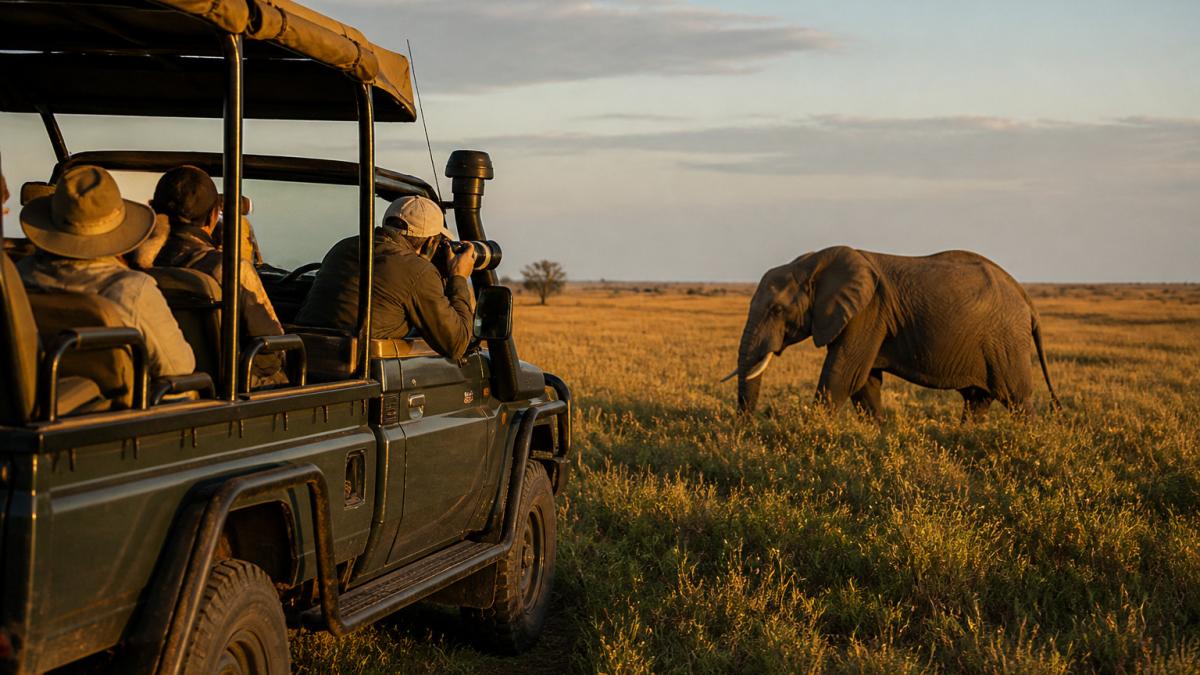
Private Versus Group Photography Safari: Which Suits You
Group safaris can be a more economical option per person, but the vehicle is shared with guests who may have different interests. Photographers can find themselves rushed out of a sighting they wanted to stay with.
Private safaris can give you more control over pace, timing and positioning. Group trips can still work well for beginners who value company and shared costs. Choose based on how much you want to shape the day around your own photography.
Booking Your Photography Safari With Isba African Safaris
Isba African Safaris designs tailor-made itineraries, from solo trips to group tours, and runs its own fleet of 4x4 vehicles with bilingual, locally trained guides. Clients who want maximum photography and game viewing can ask for a plan built around their shooting style. Enquiries are answered within 24 hours, so you can talk through your goals before you commit.
Pricing depends on the dates, parks and group size, so contact Isba African Safaris for a quote. Enquire for a tour booking to start planning your photography safari with us.
Frequently Asked Questions
How do I choose a guide for a photography safari?
Start with the guide's wildlife knowledge and their experience driving for photographers, not just their general tour credentials. Ask how they position the vehicle, how they handle the light and how flexible they are about stopping for a sighting. Confirm they are bilingual and locally trained, and that they will talk through your goals before you travel. A good photography guide will ask about your camera gear and experience, then adjust the day around your priorities rather than following a fixed schedule. Compare how each operator answers these questions, because vague answers usually signal a guide who will rush you between parks.
Should I choose a private guide for a photography safari?
A private guide usually suits photographers best, because the vehicle, the pace and the route are set around your needs. You can wait for a leopard to move into the open, return to a scene at a better hour, or skip a crowded sighting entirely. Group safaris work well for travellers who want shared costs and social company, but they often mean compromises on positioning and timing. Isba African Safaris offers both private and group arrangements, so the right choice depends on how much control over your shots you want.
What should I tell my guide about my photography experience?
Be specific about your camera, lenses and experience level, and state clearly whether you want portraits of animals, landscapes, action shots or documentary images. A guide who knows you shoot with a long telephoto will position the vehicle differently from one working with a wide-angle lens. Mention whether you prefer soft light at dawn or dusk, and whether you are willing to start early. This information lets the guide plan the day around your goals, which is more useful than general advice about photography.