 Comparison
Luxury Safari vs Standard Tour: Which Suits You?
Quick Summary
A luxury safari is a customised journey with private vehicles, smaller groups, premium accommodation and a guide matched to your interests, while a standard tour is a fixed-departure package with shared transport. Choose a luxury safari for privacy, flexibility and access to private reserves; choose a standard tour for a lower entry cost.
- A luxury safari gives you a private vehicle and guide, so you set the pace.
- Standard tours share a vehicle with up to six or seven guests.
- A luxury safari typically costs roughly two to two-and-a-half times as much as a standard tour.
- Ask for an itemised total trip cost, not a nightly rate, before comparing.
- Park fees, flights, drinks and tips often sit outside a standard tour's base price.
Table of Contents
- What Separates a Luxury Safari from a Standard Tour
- Luxury Safari vs Standard Safari Cost: Sample Budgets Compared
- Standard Safari Tour Inclusions and What Is Often Extra
- Luxury Safari Lodge vs Tented Camp: Comfort, Location and Access
- Guiding, Vehicles and Group Size: Where the Experience Changes
- Family-Friendly Luxury Safari Lodges and Who Each Option Suits
- Booking, Cancellation and Choosing Your Next Step with Isba
- Frequently Asked Questions
Luxury Safari vs Standard Tour: Which Suits You?
Last Updated: November 10, 2026
What Separates a Luxury Safari from a Standard Tour
Most comparisons pit luxury against budget or mid-range, which leaves the standard tour undefined. A standard tour is a fixed-departure package with set dates, shared transport, a group guide and a published itinerary. A luxury safari is a customised journey with private vehicles, smaller groups, higher-standard accommodation and a guide matched to your interests. The two sit at different points on the same spectrum, and the gap between them is narrower than the labels imply.
A useful way to compare them is by what each option actually changes for the traveller:
- Accommodation: a standard tour uses comfortable mid-range lodges or permanent tented camps; a luxury safari uses premium lodges, private conservancies or exclusive-use camps.
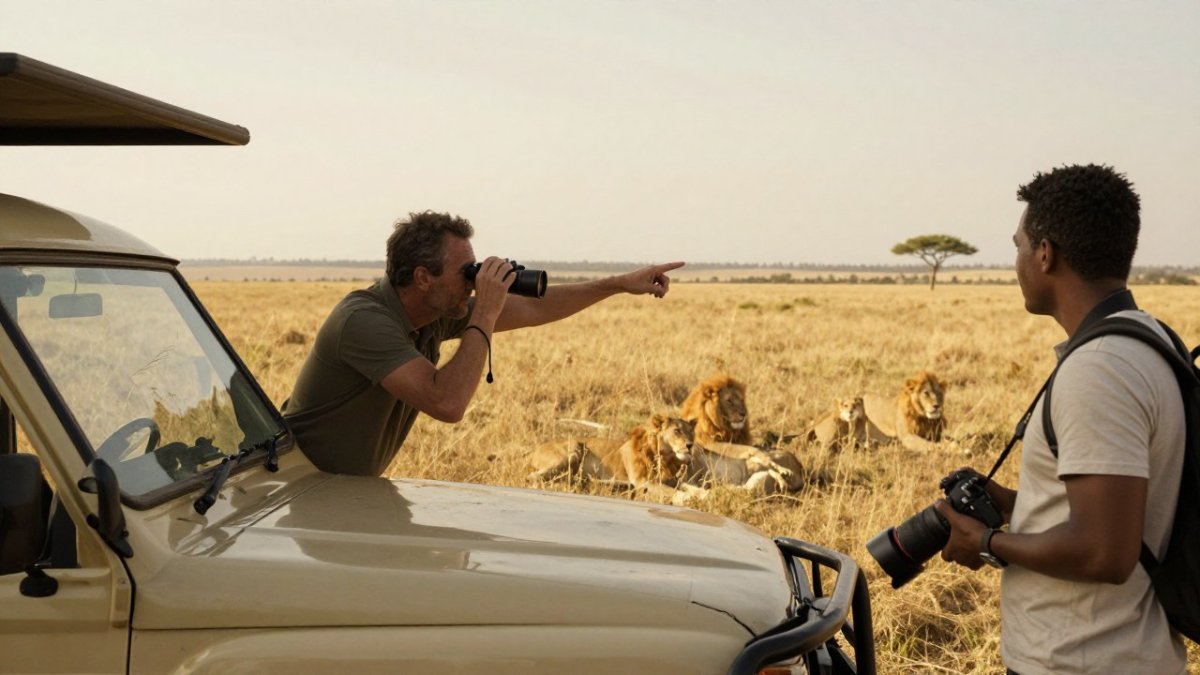
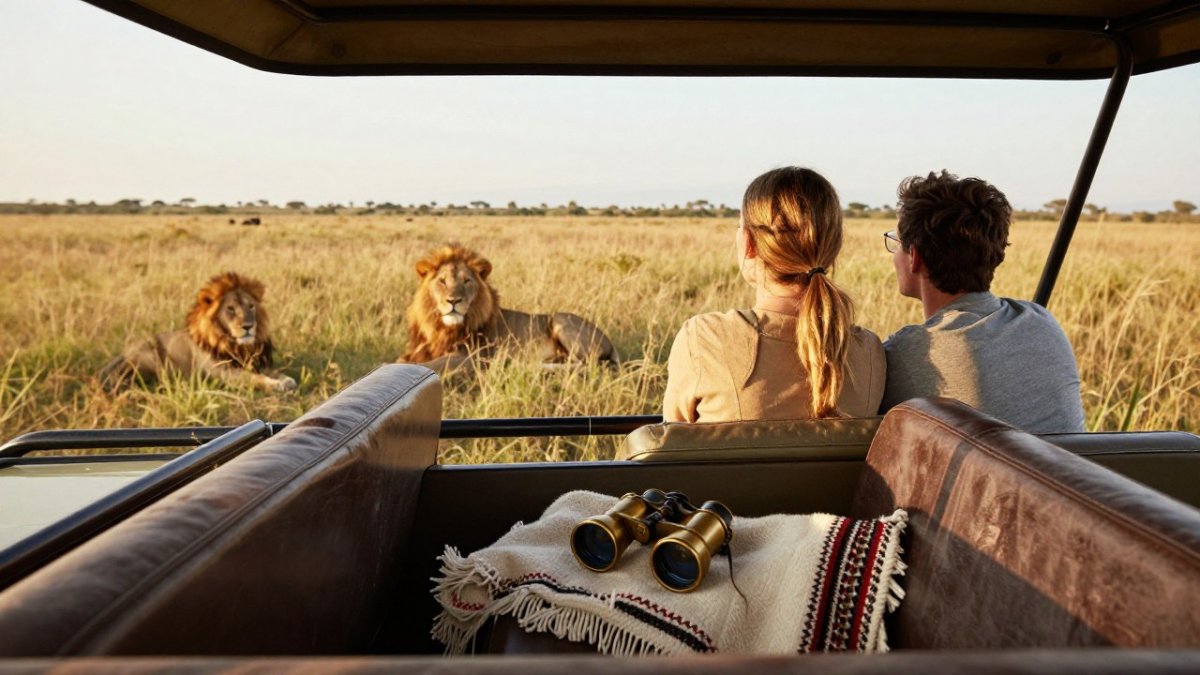
- Vehicle and group size: a standard tour shares a vehicle with up to six or seven guests; a luxury safari gives you a private vehicle and guide, so you set the pace and the stops.
- Itinerary flexibility: a standard tour follows a fixed route and timetable; a luxury safari can be adjusted day by day around wildlife movement and your energy levels.
- Access: a luxury safari often includes private reserves or conservancies, which allow walking safaris, night drives and off-road viewing that national parks may restrict.
- Service and inclusions: a luxury safari typically includes all meals, house drinks, laundry and transfers; a standard tour often excludes drinks, tips and some activities.
- Cost: a standard tour is the lower-cost entry point; a luxury safari costs roughly two to two-and-a-half times as much for the same destination and duration.
Who each option suits matters as much as the features. First-time visitors on a fixed budget often do well on a standard tour, because the wildlife experience in the main parks is the same whether you sleep in a mid-range lodge or a premium camp. Photographers, families with mixed ages, solo travellers who want privacy and anyone with mobility requirements tend to get more from a luxury safari, where the private vehicle and flexible schedule remove friction. A common pattern is to combine the two: a standard tour for a shorter add-on region and a luxury safari for the core of the trip.
Watch out: a higher room rate does not guarantee better wildlife sightings. Season, location, vehicle access and time in the field affect what you see far more than the thread count of your sheets. Explore what to expect on a luxury safari day to day to see how the trade-offs play out in practice.
Luxury Safari vs Standard Safari Cost: Sample Budgets Compared
A direct cost comparison only works when you compare the same destination, duration and season. Most operators quote a nightly rate that excludes park fees, internal flights, transfers, tips and drinks, so the headline figure flatters the cheaper option.
| Cost line | Standard tour (per person) | Luxury safari (per person) |
|---|---|---|
| Accommodation (7 nights, sharing) | US$1,400-2,100 | US$4,900-8,400 |
| Park and conservation fees | US$700-900 | US$700-900 |
| Internal flights and transfers | US$300-500 | US$500-800 |
| Guiding and vehicle | Shared vehicle, included | Private vehicle and guide, included |
| Meals and drinks | Some meals, drinks extra | All meals, house drinks included |
| Tips and gratuities | US$150-250 | US$250-400 |
| Optional extras | US$0-400 | US$0-600 |
| Indicative total | US$3,250-4,550 | US$7,050-11,500 |
Watch out: a standard tour that looks cheap can close much of the gap once you add drinks, tips and optional activities, so always ask for a total trip cost rather than a nightly rate. Request an itemised quote that lists accommodation, vehicles, guiding, transfers, park and conservation fees, meals and exclusions, then compare the two totals side by side. Safari.com's most-booked African safari tours with from-prices is a useful starting point for shortlisting, but confirm the detail directly with each operator before you decide.
Standard Safari Tour Inclusions and What Is Often Extra
A standard tour usually covers accommodation, some meals, shared vehicle transport and a guide for the group. Read the inclusions list closely, because the things that seem minor often cost the most.
Several items frequently sit outside the base price:
- Park and conservation fees, which may be billed separately
- Internal flights between regions
- Airport and internal transfers
- Drinks, particularly alcohol
- Tipping for guides and staff
- Optional activities such as walking safaris or boat trips
Where a tour is cheap, these extras are often the reason. We recommend asking for a written list of what is excluded before you book, and adding those costs to your comparison.
Luxury Safari Lodge vs Tented Camp: Comfort, Location and Access
Lodges and tented camps both suit luxury travellers, but they deliver different experiences. A lodge usually offers permanent rooms, a pool and more built-in comfort. A tented camp puts you closer to the bush, with canvas walls and sounds you can hear at night. Neither is automatically better.
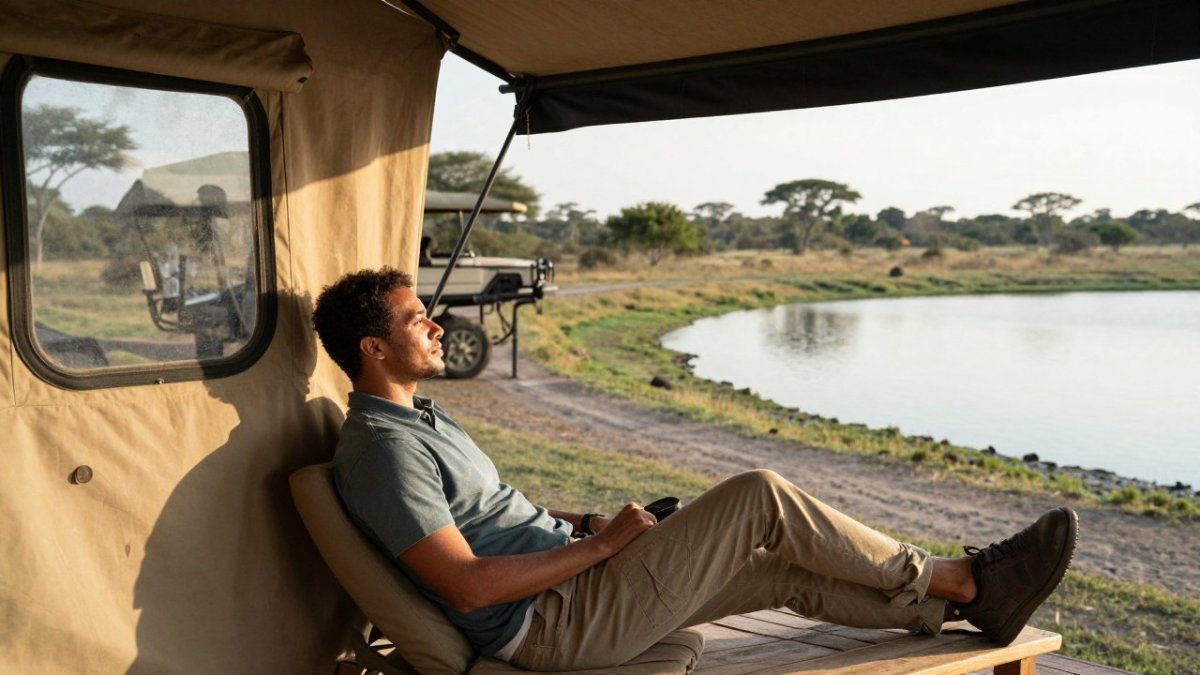
Location often matters more than the style of accommodation. Ask where the property sits relative to the main viewing areas and how many vehicles are permitted nearby.
Compare the top-rated luxury lodges and camps we would recommend to see how these trade-offs play out in specific places.
Guiding, Vehicles and Group Size: Where the Experience Changes
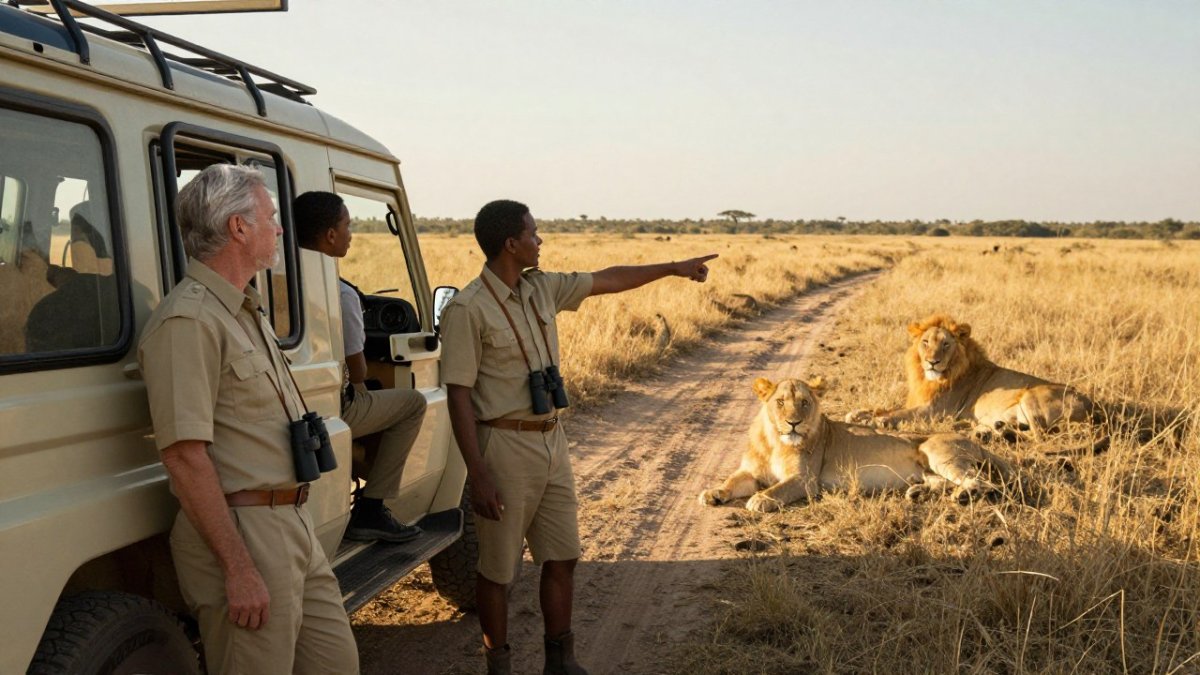
For most travellers, the guide and the vehicle shape the day more than anything else. A good guide reads animal behaviour, tracks movement and explains what you are seeing. Our team uses bilingual, locally trained and experienced guides.
Vehicle type and group size matter just as much. A private vehicle lets you stop for as long as you like at a sighting, change position for photography and set your own schedule. Shared vehicles reduce cost but limit flexibility. Smaller groups generally mean quieter viewing and less competition for the best seat.
Guide-to-guest ratios and vehicle capacity are worth asking about directly, because they vary widely between operators. Find out how to choose a strong private guide if you are weighing up these options.
Family-Friendly Luxury Safari Lodges and Who Each Option Suits
Luxury safaris can work well for families, but the right choice depends on ages, energy levels and interests. Shorter game drives and a guide who can adjust the pace help when children or older relatives tire.
Standard tours suit travellers who are comfortable with set schedules, shared spaces and a lower budget. A luxury safari suits those who want privacy, flexibility and a tailored pace. Many families combine the two, using a luxury lodge for the core of the trip and a standard tour for a shorter add-on.
Plan an itinerary that works across several generations to see how this can be structured.
Booking, Cancellation and Choosing Your Next Step with Isba
Booking a safari involves real money, so check the terms before you commit. Ask about deposit amounts, payment schedules, what happens if you need to change dates, and the cancellation policy for each stage. Make sure the itinerary and any last-minute changes are confirmed in writing.
Our team at Isba African Safaris responds to enquiries within 24 hours, and we build itineraries around your budget rather than a fixed package. We offer tailor-made planning for solo travellers, couples, families and self-drive explorers, and we use our own 4x4 vehicles. Learn more about how Isba compares with other tailor-made options before you decide.
If a luxury safari fits your goals, the next step is to send us your dates, group size and priorities. We will return a clear, itemised proposal so you can compare it fairly with any standard tour you are considering.
Frequently Asked Questions
What is the difference between a luxury safari and a standard tour?
A luxury safari generally offers higher-end lodges, more personalised guiding, smaller vehicles or private use of a vehicle, and often access to private reserves or conservancies. A standard tour usually uses shared vehicles, more widely booked camps or lodges, and a fixed itinerary. Both can reach the same wildlife areas. The practical difference lies in comfort, exclusivity and the level of service around the game drives, so it is worth comparing the specific inclusions on each quote rather than relying on the label.
How much more does a luxury safari cost than a standard safari?
Costs vary by country, season, dates and group size, so Isba African Safaris does not publish fixed prices in this article. Luxury itineraries typically cost more per night because accommodation, guiding and transfers are higher-specification. The most reliable way to compare is to request two like-for-like itineraries with the same destinations and nights, then check what each total includes, such as park fees, internal flights, meals and drinks.
Do luxury safaris offer better wildlife viewing than standard tours?
Not necessarily. Wildlife sightings depend mainly on the destination, the season, time spent in the right areas and the skill of the guide. A standard tour in a strong location can produce excellent sightings. Luxury upgrades improve comfort, photography opportunities and exclusivity, but they do not guarantee more animals. Isba African Safaris can advise which destinations and seasons suit the animals you most want to see.
Are standard safari tours suitable for families with children?
Many standard tours welcome families, but age limits, vehicle seating and lodge policies differ, so check them before booking. Family-friendly luxury lodges often provide dedicated family rooms, child-appropriate activities and flexible game-drive timings. Isba African Safaris offers tailor-made itinerary planning, which can be discussed for your family's needs.