 Ultimate guide
Safari Itinerary for Multi-Generational Families: A 2026 Guide
Last Updated: October 23, 2026
Quick Summary
A safari itinerary for multi generational families requires balancing the comfort and interests of grandparents, parents, and children through careful planning of accommodation, activity intensity, and rest periods. The ideal duration is 7 to 10 days in-country, allowing sufficient wildlife viewing whilst accommodating varying stamina levels across age groups.
- Seven to ten days in-country provides the optimal balance between wildlife viewing and managing diverse fitness levels
- Choose lodges with ground-floor rooms, reliable electricity, flexible dining, and recovery spaces like pools and shaded areas
- Alternate intensive game drives with rest days, optional activities, and varied experiences to prevent fatigue across all ages
- Vehicle-based game drives suit all fitness levels; walking safaris should be optional alternatives rather than mandatory activities
- Early morning game drives capture peak wildlife activity and suit all ages when preceded by adequate sleep and light breakfast
Table of Contents
- Why a Safari Itinerary for Multi-Generational Families Requires Careful Planning
- How Many Days for a Family Safari: Finding the Right Duration
- Best African Safari Destinations for Families: Where to Go
- Family Safari Itinerary for All Ages: Sample Schedules
- Multi-Generational Safari Planning Tips: Accommodation and Activities
- Packing Essentials for a Multi-Generational Safari Group
- Booking Your Family Safari: What to Expect
- Frequently Asked Questions
Why a Safari Itinerary for Multi-Generational Families Requires Careful Planning
A safari itinerary for multi generational families is fundamentally different from a standard safari tour.
The challenge isn't just logistics. It's about creating an experience where a 75-year-old and a 10-year-old both feel genuinely engaged. Most generic safari operators treat families like a single unit and schedule the same activities for everyone.
This is where intentional planning becomes essential. The right safari itinerary for multi-generational families accounts for rest periods, varied activity intensities, accommodation comfort levels, and genuine wildlife experiences that hold attention across age groups.
How Many Days for a Family Safari: Finding the Right Duration
The ideal length for a family safari depends on your group's composition and travel tolerance, but most multi-generational groups benefit from 7 to 10 days in Africa. This duration balances wildlife viewing opportunities with the logistical reality of long-haul travel and varying stamina levels.
Shorter safaris (3-5 days) work only for families with older children and fit adults who can handle intensive schedules. You'll spend significant time travelling to and from airports, leaving limited days for actual game viewing. Longer safaris (14+ days) risk fatigue, particularly for younger children and elderly family members who may struggle with the physical demands of early starts and extended vehicle time.
The sweet spot is 7-10 days in-country. This allows two to three full days of acclimatisation and activity, 4-6 days of substantive wildlife viewing across different ecosystems or reserves, and buffer time for rest days or unexpected changes. Best Months for African Wildlife Viewing: 2026 Guide will help you time your trip for peak wildlife activity, maximizing what you see during your available days.
Safari duration varies significantly depending on your group's composition and travel tolerance.
| Duration | Best for | Key consideration |
|---|---|---|
| 3-5 days | Older children and fit adults | Limited game viewing time after travel |
| 7-10 days | Most multi-generational families | Balances wildlife viewing with varying stamina |
| 14+ days | Experienced safari families | Risk of fatigue for younger and elderly members |
Best African Safari Destinations for Families: Where to Go
Not every African safari destination suits multi-generational groups equally. Some reserves demand high fitness levels, others lack accommodation variety, and some are best visited during seasons when wildlife viewing is unpredictable.
Key criteria for family-friendly destinations
Family-friendly safari destinations share common characteristics. They offer accessible game viewing without requiring extensive walking or extreme physical exertion.
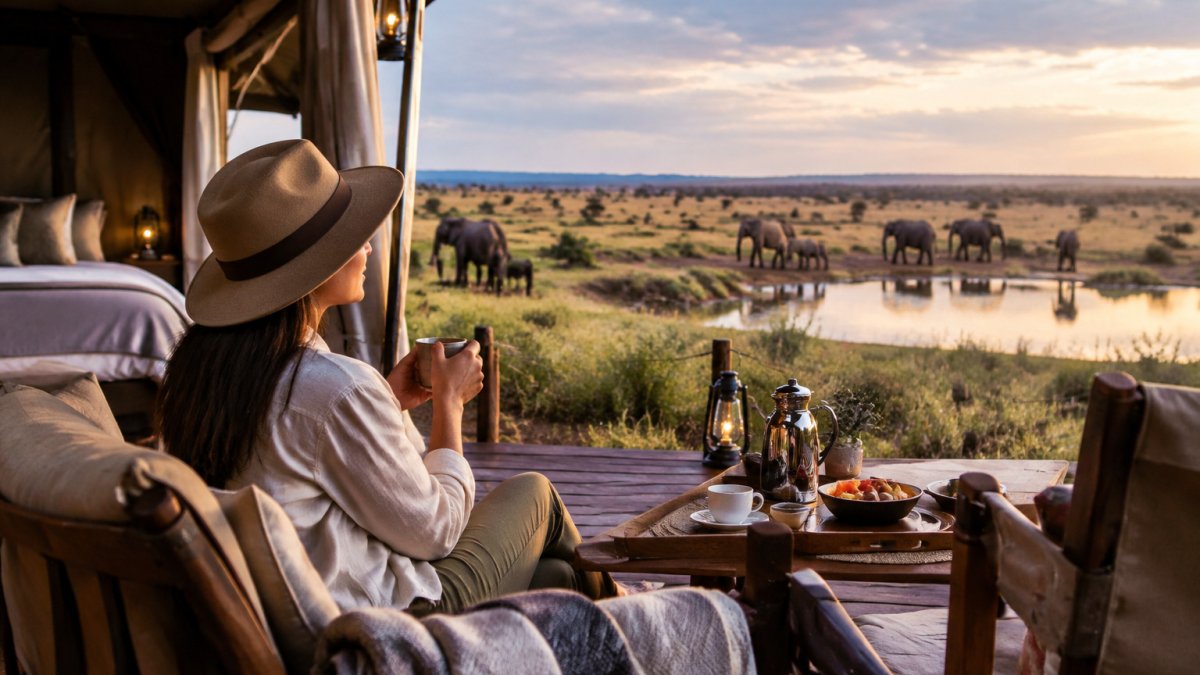
Tanzania's Northern Circuit, particularly the Serengeti and Ngorongoro Crater, excels for families. Game drives are conducted from vehicles, minimizing physical demands. The ecosystem supports abundant wildlife year-round.
Botswana's Okavango Delta suits families seeking water-based safari variety alongside traditional game drives. The landscape diversity keeps younger members engaged.
Avoid destinations requiring extensive hiking, high-altitude trekking, or challenging terrain during your first family safari.
Family Safari Itinerary for All Ages: Sample Schedules
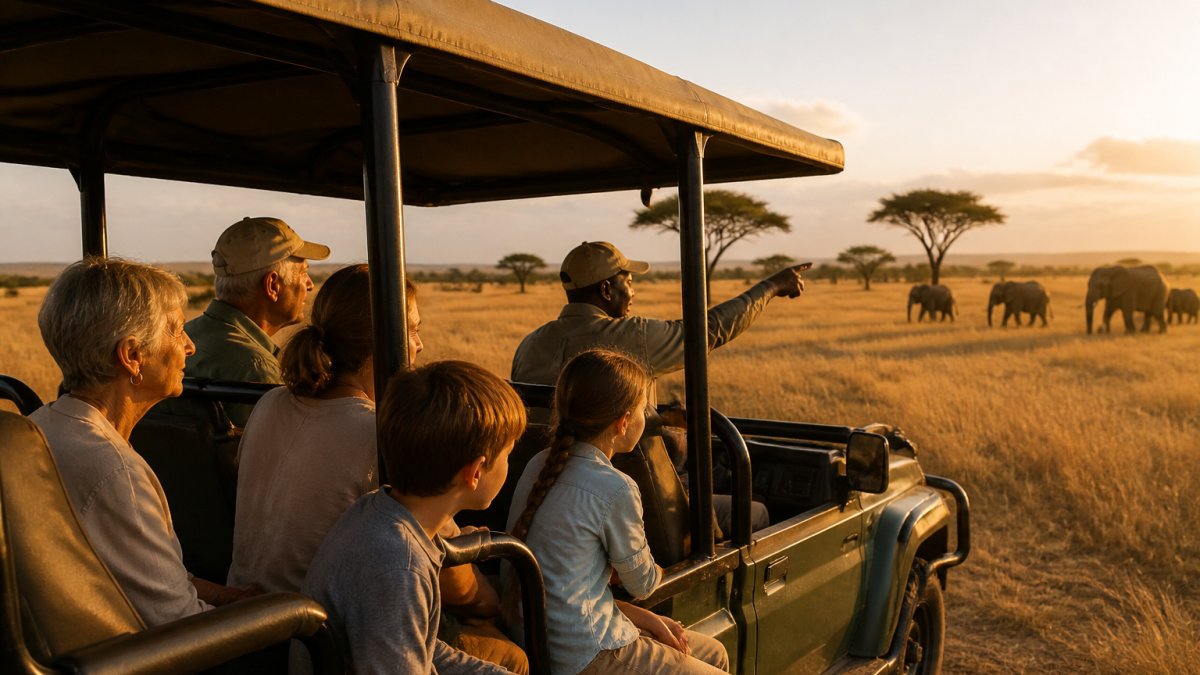
A well-structured safari itinerary for multi-generational families alternates between activity and rest, varies viewing methods, and includes downtime for processing experiences and managing fatigue.
7-day itinerary example
Day 1: Arrival and acclimatisation Arrive at your destination early morning or midday. Transfer to your lodge.
Day 3: Varied activity day Morning game drive as usual.
Day 4: Rest and flexibility day Light morning activity only, perhaps a short drive or lodge-based activity.
Day 6: Secondary ecosystem or varied experience Visit a different reserve, ecosystem, or habitat within your destination.
Day 7: Departure day Final morning game drive if timing allows, or leisure morning at the lodge.
10-day itinerary example
Days 1-2: Arrival and first reserve acclimatisation Follow the 7-day pattern for arrival and initial game drives.
Days 3-5: Intensive viewing in first reserve Three full days of game drives with varied timing and routes. Include one rest day or lighter activity day within this period.
Day 6: Transfer day and transition Travel to a second reserve or ecosystem. Settle into new accommodation.
Days 7-9: Second reserve exploration Repeat the intensive viewing pattern from days 3-5.
Day 10: Departure Final morning activity if timing permits, or departure from lodge.
This structure allows families to experience genuine depth in wildlife viewing while maintaining realistic pacing.
Multi-Generational Safari Planning Tips: Accommodation and Activities
Choosing lodges that work for all ages
Accommodation quality directly affects family safari success.
Prioritise lodges offering ground-floor rooms or reliable lift access. Elderly family members shouldn't navigate multiple stairs after early morning game drives.
Look for lodges with varied dining options and flexible meal timing. Younger children may not tolerate 7 PM dinner seatings.
Swimming pools, shaded lounge areas, and quiet spaces are essential. These provide recovery spaces during midday rest periods.
Best Luxury Safari Lodges in Africa: 2026 Guide provides detailed options for family-appropriate accommodation across different price points and destinations.
Balancing activities for different fitness levels
The core challenge of multi-generational safari planning is structuring activities so everyone participates meaningfully without exceeding anyone's physical capacity.
Early morning game drives suit all fitness levels because they're vehicle-based and conducted at a leisurely pace.
Walking safaris demand more consideration. They suit families with older children (10+) and adults comfortable with moderate physical exertion.
Cultural visits, village tours, and educational activities engage different interests.
Safari Planning for Different Fitness Levels details how to structure activities ensuring everyone participates at their appropriate level.
Packing Essentials for a Multi-Generational Safari Group
Packing for a multi-generational safari requires anticipating diverse needs across age groups.
Clothing should prioritise layers and neutral earth tones. Early morning temperatures are cool; midday heat is intense. Loose, breathable clothing suits everyone.
Sun protection is non-negotiable. High-SPF sunscreen, wide-brimmed hats, and quality sunglasses prevent painful sunburn and long-term damage.
Comfortable walking shoes, sandals for lodge use, and lightweight layers for air-conditioned vehicles complete the basics.
Younger children benefit from entertainment for downtime, books, tablets with downloaded content, or activity materials.
Booking Your Family Safari: What to Expect
Booking a safari itinerary for multi generational families differs from standard travel arrangements.
Professional safari operators understand multi-generational dynamics. They ask detailed questions about your group's composition, fitness levels, interests, and preferences.
Expect operators to discuss accommodation options specifically, not just list properties. They should explain why certain lodges suit your group composition.
At Isba African safaris, we respond to booking enquiries within 24 hours and work directly with families to understand their specific requirements.
Planning a safari itinerary for multi-generational families demands more than standard travel logistics.
Frequently Asked Questions
How do you plan a safari itinerary for a multi-generational family?
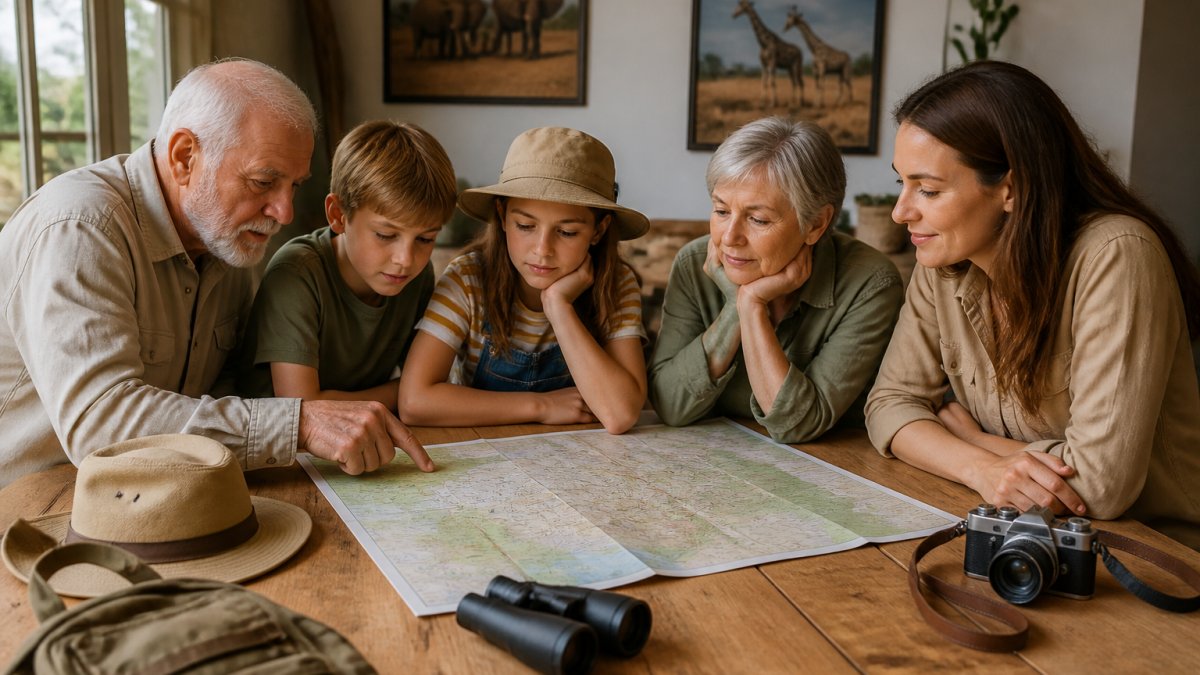
Start by identifying the age range, fitness levels, and interests of all family members. Choose a destination and duration that suits the oldest and youngest guests, then structure your safari itinerary to include game drives, rest periods, and varied activities. Work with an experienced safari operator who understands family dynamics and can tailor the schedule, for example, scheduling shorter morning drives for younger children and flexible rest times for older relatives. Communication with your operator about any mobility concerns or special interests ensures the itinerary works for everyone.
What is the best age for children to go on safari?
Children aged 5 and above typically handle safari experiences well, though younger children can participate with careful planning. Younger children (under 5) may struggle with early starts and long game drives, so consider shorter excursions and more frequent breaks. Older children (8+) usually engage more fully with wildlife viewing and educational components. The key is matching the itinerary to your child's temperament, attention span, and comfort with travel rather than applying a strict age cutoff. Grandparents can enjoy safaris at any age if the pace and accommodation suit their mobility.
How many days should a family safari last?
A family safari of 7 to 10 days balances wildlife viewing opportunities with manageable travel time and rest. A 5-day safari works for younger children or families with limited time, though it reduces the chance of seeing rare species. Seven days allows two full days of game drives with rest days built in, while 10 days provides deeper exploration and multiple destinations. Factor in travel days to and from Africa when calculating total trip length. Your operator can recommend the optimal duration based on your group's age range and energy levels.
Which African safari destinations are best suited for three generations?
Destinations with varied accommodation, accessible game drives, and reliable infrastructure work best for multi-generational groups. East African parks like those in Kenya and Tanzania offer excellent wildlife density and family-friendly lodges. Southern African destinations provide similar advantages with well-established tourism infrastructure. The best choice depends on your group's specific interests, some parks offer walking safaris for active grandparents, while others provide gentler vehicle-based viewing. Your safari operator can match your family's composition and preferences to the most suitable destination.
What activities can grandparents and children enjoy together on safari?
Game drives in open-sided vehicles suit most fitness levels and age groups, allowing everyone to view wildlife at their own pace. Evening wildlife documentaries at the lodge, guided nature walks around the lodge grounds, and visits to cultural villages offer alternatives to strenuous activities. Some lodges offer photography workshops that engage both generations. Mealtimes and social time at camp are equally valuable for bonding. The key is offering choice, some family members may prefer rest time whilst others explore, and a good operator accommodates both preferences within the daily schedule.
How do you balance game drives with rest time on a family safari?
Structure your day with early morning game drives (when wildlife is most active), midday rest and lunch at the lodge, and optional afternoon activities. Younger children and older relatives typically need the midday break for sleep or quiet time. Schedule one or two lighter activity days during a longer safari, perhaps a cultural visit or lodge-based experience, rather than game drives every single day. Communicate your group's energy levels and preferences to your operator before departure so they can build appropriate flexibility into the itinerary.
What should a family pack for a multi-generational safari?
Pack neutral-coloured, lightweight clothing suitable for warm days and cool evenings. Include sun protection (high-SPF sunscreen, hat, sunglasses), insect repellent, and any necessary medications for all family members. Bring comfortable walking shoes and binoculars for wildlife viewing. Pack entertainment for downtime, books, tablets, or games for children, and reading materials for adults. Include a basic first-aid kit and any prescription medications in original containers. Check your operator's packing list, as most provide detailed guidance specific to your destination and season.
How do you choose a safari lodge that suits different ages and mobility levels?
Look for lodges offering accessible rooms (ground-floor options or lifts for older guests), varied meal times to suit different schedules, and activities suitable for mixed ages. Ask your operator about specific amenities: does the lodge have a children's programmeme, quiet rest areas, medical facilities, and staff trained in family care? Read recent reviews mentioning multi-generational visits. Request photos and detailed descriptions of rooms and facilities before booking. A good operator will have visited lodges personally and can recommend those with genuine family-friendly infrastructure rather than just marketing language.