 Ultimate guide
What to Expect on a Luxury Safari: A Practical Guide
Quick Summary
A luxury safari is a private, slower-paced way to see African wildlife, built around small groups, exclusive camps and a guide assigned to you for the whole stay. Days start early for game drives, with long unscheduled afternoons for rest. Expect comfort and attention to detail, but not guaranteed sightings.
- Most days start before dawn, with game drives of three to four hours.
- Midday is deliberately unscheduled, giving time to rest and recover from early starts.
- Only your own group shares the vehicle, so you control how long you stay with a sighting.
- Luxury improves access and service but cannot guarantee specific wildlife sightings.
- Compare quotes on what is included, such as park fees, flights and drinks, not headline rates.
Table of Contents
- What a Luxury Safari Experience Is Really Like
- Lodges, Tented Camps and Luxury Safari Lodge Amenities
- Game Drives, Guides and Private Guided Safari Benefits
- Meals, Drinks and What Is Included in the Price
- How Long Should a Luxury Safari Be, and When to Go
- What to Pack for a Luxury Safari
- What Luxury Does Not Guarantee, and Planning Your Own Safari With Isba
- Frequently Asked Questions
What a Luxury Safari Experience Is Really Like
A luxury safari is a private, slower-paced way to see African wildlife, built around small groups, exclusive camps and a guide assigned to you for the duration of your stay. Most of what separates it from a standard group tour comes down to access, flexibility and attention to detail. Isba African safaris designs bespoke itineraries around those differences, so the experience reflects your pace rather than a fixed schedule.
Expectations matter here. A luxury safari is not a guarantee of sightings or a fixed level of comfort on every day; wildlife behaviour and weather are outside anyone's control. What it does offer is more time in the field, fewer vehicles competing for the same animals and a level of personal service that is difficult to match in a group setting.
A Realistic Day-by-Day Account
Most days start early, often before dawn, because animals are most active in the cooler hours. A typical morning includes a game drive of three to four hours, a break at camp for brunch, and a rest through the heat of the afternoon.
Days are less rigid than people expect. If a pride of lions settles into a patch of shade, the guide can stay longer; if the drive has been quiet, the route can change.
To make that concrete, here is how a typical day at a private tented camp tends to unfold.
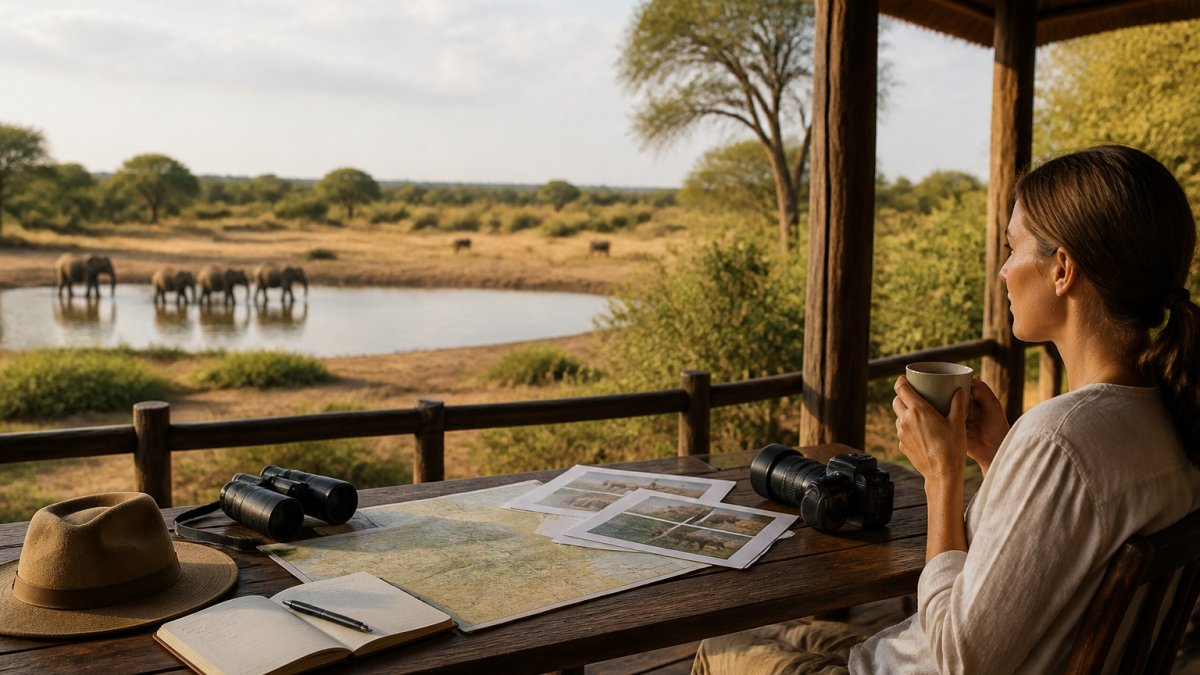
Brunch is served late morning, between the morning drive and the afternoon rest. The middle of the day is deliberately unscheduled: a siesta, a dip in the plunge pool, a shower, reading on the veranda or a nap.
Many camps also offer a second drive in the late afternoon, which can run into dusk, and dinner is usually served in the evening.
Watch out: the rhythm is genuinely tiring for some travellers, and a common mistake is to book a schedule that packs in two activities every day. A restful afternoon is not wasted time; it is what makes the early starts sustainable across a week.
Days are also shaped by the season and the camp. In the green season, drives may leave slightly later and return earlier because of afternoon storms. In the dry season, when animals concentrate around water, guides often stay out longer.
What the day does not usually include is constant action. Long stretches pass with little more than birdsong, tracks and the guide reading the wind. Memorable sightings tend to arrive in short bursts between quieter hours.
Lodges, Tented Camps and Luxury Safari Lodge Amenities
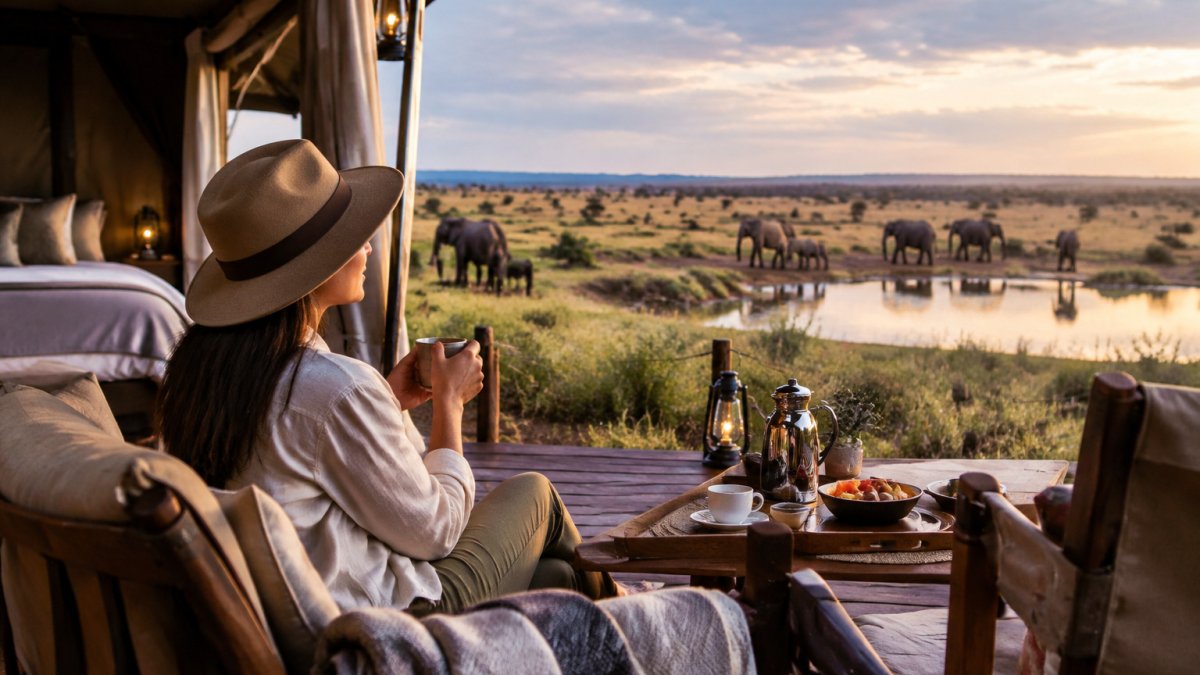
Accommodation shapes much of the feel of a trip. Permanent lodges offer more space, climate control and sometimes swimming pools, while tented camps bring you closer to the bush, with canvas walls and the sounds of the surrounding wildlife at night. You can compare the best luxury safari lodges in Africa by location and style. Both can be exceptionally comfortable, and the right choice depends on whether you value amenities or immersion.
Typical luxury safari lodge amenities include en-suite bathrooms, hot water, private verandas, turndown service and a dining area where meals are served with a view. Many properties also offer spa treatments or a plunge pool. Ask Isba African safaris which amenities each property includes before you book, as they differ widely between camps.
Game Drives, Guides and Private Guided Safari Benefits
Game drives are the core of any safari. On a private safari, you share the vehicle only with your own group, which means you control how long you stay with a sighting and when you move on. Isba African safaris uses its own fleet of 4x4 Land Cruisers and minibuses.
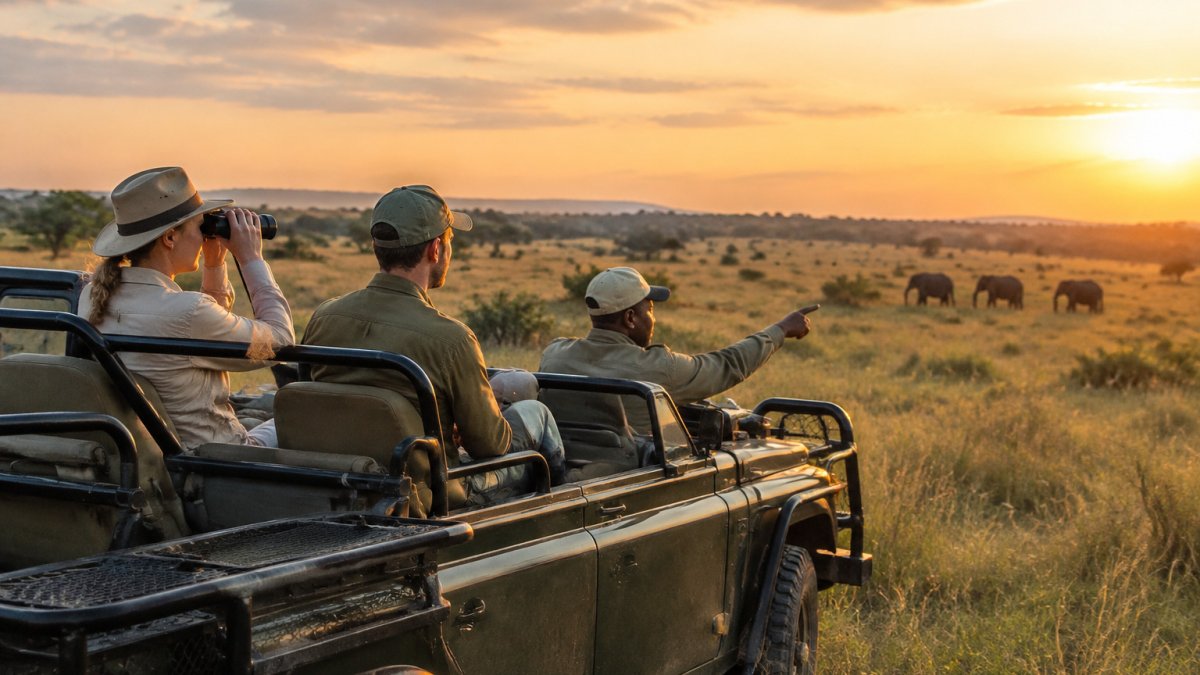
The guide matters just as much as the vehicle. Isba African safaris works with a team of bilingual, locally trained guides, and a private guide can tailor the route to your interests. Private guided safari benefits include flexible timing and tailored routes.
Meals, Drinks and What Is Included in the Price
Meals on luxury safaris are usually a highlight. Camps commonly serve breakfast, lunch and dinner, with picnic breakfasts or bush lunches often arranged during game drives.
Pricing depends on the destination, the properties chosen, the time of year and the level of service, so it is not possible to give a single figure here.
To make that useful rather than vague, it helps to separate a safari quote into the parts that actually drive the total.
Park and conservancy fees, and any internal flights or transfers, may appear as separate lines in a quote, so check what each quote includes.
Drinks policies vary between camps, so check which drinks are included before you compare quotes.
Some activities may be quoted separately from the headline rate, and gratuities are usually discretionary, so ask for guidance on tipping.
Items such as international flights, travel insurance and personal purchases are usually not part of a safari package.
Watch out: comparing two quotes on the headline per-person-per-night figure alone can be misleading, because one quote may exclude park fees, internal flights or drinks that the other includes.
For current prices and a quote, visit the Isba African safaris website.
The main line items that make up a safari quote are set out below, so you can compare like for like.
| Quote item | Typical treatment | Note |
|---|---|---|
| Accommodation | Usually the largest line | Rates vary by season |
| Park and conservancy fees | Often a separate line | Check what the quote covers |
| Internal flights and transfers | May appear separately | Confirm inclusion |
| Drinks | Varies by camp | House wines and soft drinks may be included |
| Activities | Some quoted separately | Ask what is included |
| Gratuities | Usually discretionary | Ask for tipping guidance |
| International flights and insurance | Usually not included | Not part of a safari package |
How Long Should a Luxury Safari Be, and When to Go
Trip length shapes how much of a destination you can see. Many travellers find that a week allows for two or three camps and a sensible pace, while longer itineraries let you move between different landscapes or add a beach stay at the end. Shorter trips tend to concentrate on one region.
Timing also affects the experience. The dry season, when vegetation thins and animals gather around water, is often favoured for game viewing, while the green season brings lush scenery and fewer visitors. The best months for specific wildlife and destinations can be discussed when you plan your trip.
What to Pack for a Luxury Safari
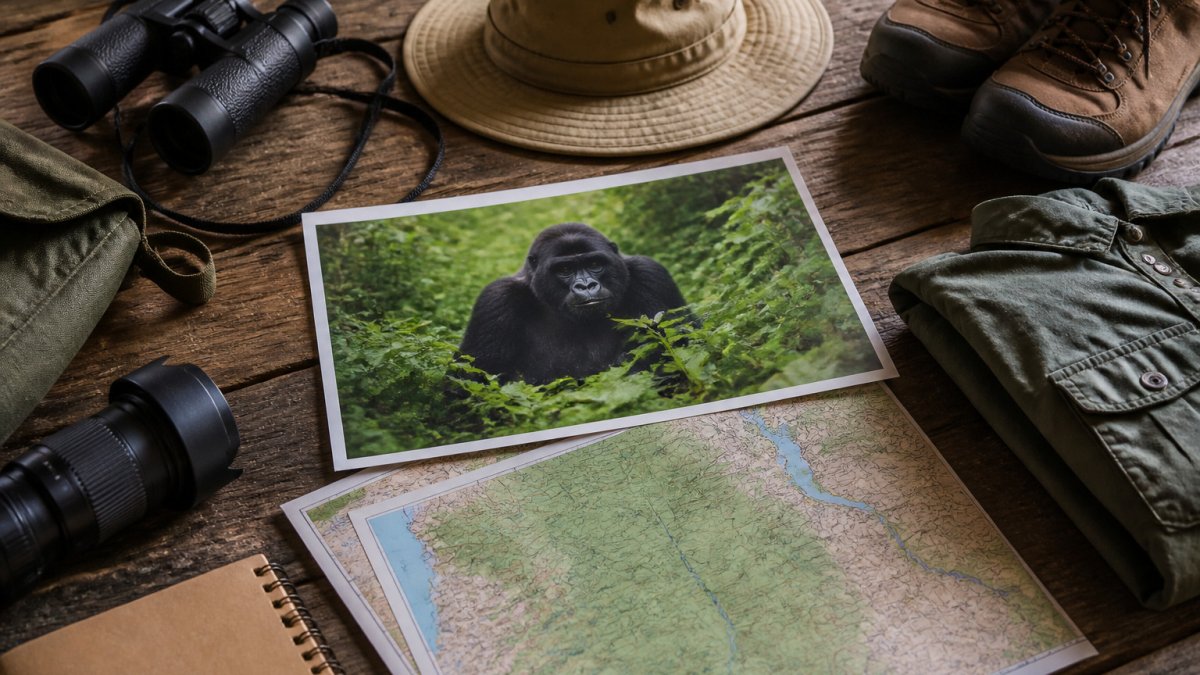
Packing is simpler than it looks. Choose neutral-coloured clothing in layers, since mornings can be cold and afternoons hot, and bring a warm fleece or jacket for early drives. A wide-brimmed hat, sunscreen, insect repellent and a refillable water bottle are essentials.
Bring a good pair of binoculars and a camera with a long lens if you plan to photograph wildlife. Soft-sided luggage is usually required for light aircraft transfers, and a small daypack keeps essentials close during drives. Check the weight limits for domestic flights before you finalise your packing list.
What Luxury Does Not Guarantee, and Planning Your Own Safari With Isba
Luxury improves comfort, access and service, but it cannot guarantee specific sightings. Wildlife movements are unpredictable, and even the best guide may spend a morning without a major sighting. Weather, season and park conditions all play a part, so it helps to go in with realistic expectations.
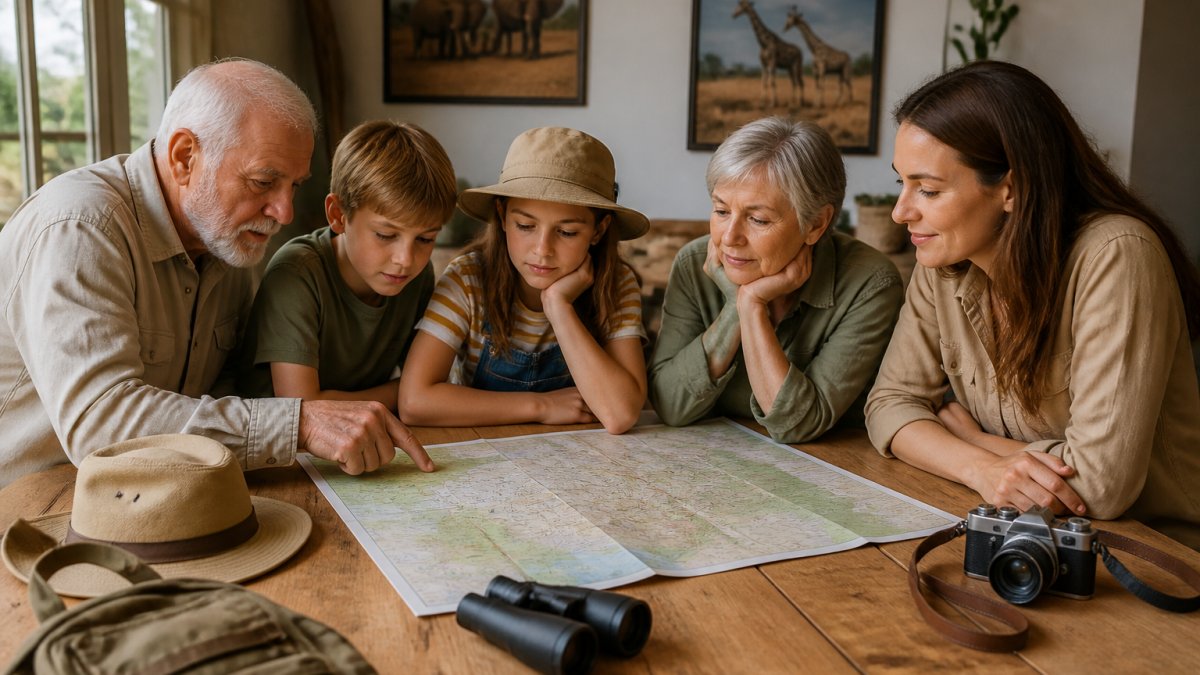
If you are weighing up whether a bespoke safari suits you, think about what matters most: private time with your group, a guide who adapts to your interests, or simply the comfort of a well-run camp. Isba African safaris can help you shape an itinerary around your budget, dates and travel style, whether you are travelling as a couple, a family or on a self-drive trip. Enquire for tour booking to start planning your own luxury safari.
Frequently Asked Questions
Are luxury safaris worth it?
Luxury safaris are worth it for travellers who value private vehicles, experienced guides, small group sizes and well-run lodges with personal service. The benefit is most noticeable in wildlife viewing, where a private guide can position a vehicle, follow a sighting and move at your pace rather than a convoy's. They are less worth it if you mainly want a bed and a sightseeing schedule. Ask any operator for an itemised breakdown of what is included before you decide, because the value depends on which parts of the package matter to you.
What should I pack for a luxury safari?
Pack neutral-coloured clothing in khaki, olive, tan or grey, along with a warm layer for early morning drives, which can be cold even in the tropics. Bring a wide-brimmed hat, sunglasses, sun protection, insect repellent and a sturdy pair of closed shoes. Dress for the evenings if your lodge expects it, and carry a small daypack for camera gear. Check the weight limits set for light aircraft transfers, as these are often stricter than the baggage allowance on international flights.
Why can't you wear black on a safari?
Dark colours such as black and navy attract tsetse flies and some other insects, which is why guides often ask guests to avoid them. Bright white and very bold patterns can also unsettle some animals during close viewing. Neutral earth tones are the usual advice because they blend into the bush and draw fewer insects. Your guide will confirm the local preferences for the specific reserve you visit.
How long should a luxury safari be?
Most travellers plan between five and ten nights for a luxury safari, which allows time to move between two or three camps or lodges with different habitats. Shorter trips of three or four nights are possible but leave little room for a missed sighting or a change in weather. Longer itineraries suit travellers combining safari with other destinations or wanting to see a region in depth. Isba can tailor the length to your budget, interests and the time you have available.
What is the typical daily routine on a luxury safari?
A typical day starts before sunrise with an early morning game drive, when animals are most active and light is best for photography. Guests return to the lodge for brunch and a rest during the heat of the day, then head out again in the late afternoon for a sunset drive. Some lodges offer a night drive or a walking safari as an alternative. Meals are usually served at set times, and the schedule can be adjusted if you prefer a slower pace.
What level of service and dining can I expect at a luxury safari lodge?
Luxury lodges usually offer a dedicated guide and often a personal host, with meals prepared by experienced chefs using local ingredients where possible. Expect multi-course dinners, a range of drinks and attentive service at the table. Dietary requirements can normally be accommodated if you tell the lodge in advance. Confirm in writing which drinks, gratuities and activities are included, as these differ considerably between operators.
How do luxury safari lodges differ from standard safari accommodation?
Luxury lodges typically have fewer rooms, more space per guest, private bathrooms with hot water, and better-trained staff. Tented camps can be luxurious too, with real beds, en-suite facilities and generous decks, but they still involve more exposure to the environment. Standard accommodation often pools guests into larger groups and vehicles. The difference shows most in privacy and in how closely the guide can tailor activities to your group.
Why is private vehicle access a hallmark of luxury safari travel?
Private vehicle access means your group does not share a 4x4 with strangers, so you control the pace, the route and the time spent at each sighting. Isba operates its own fleet of 4x4 Land Cruisers and minibuses, which allows flexibility for families, couples and photographers. Private access also reduces the crowding that can occur where many vehicles gather around the same animal. It does not guarantee sightings, which depend on weather, season and animal behaviour.