 Comparison
Isba vs Standard Tour Operators for African Safaris
Last Updated: November 16, 2026
Quick Summary
Tailored African safari tours suit travellers who want control over dates, pacing and wildlife goals, while standard group tours suit those who prefer a fixed schedule and lower commitment. Tailored trips usually cost more per person, so request an itemised written quote from Isba African safaris before comparing prices.
- Tailored trips give the most control over route, lodges and daily pace.
- Group tours offer a predictable price but a fixed schedule and shared vehicles.
- Confirm whether park fees, transfers and tips are included before comparing quotes.
- A seven-day safari allows two or three nights per area and leaves little margin.
- Raise dietary and mobility needs at enquiry and get written confirmation from each camp.
Table of Contents
- Tailor-Made, Group and Self-Drive: Which Tour Type Suits You
- 7-Day African Safari Tours: Sample Itineraries and Durations
- African Safari Tours Masai Mara: Where to Stay and When to Go
- African Safari Tours All-Inclusive: What Is Covered and What Is Not
- Best African Safari Tours for Couples and Accessibility Needs
- Booking Your Safari: Steps From Enquiry to Departure
- Frequently Asked Questions
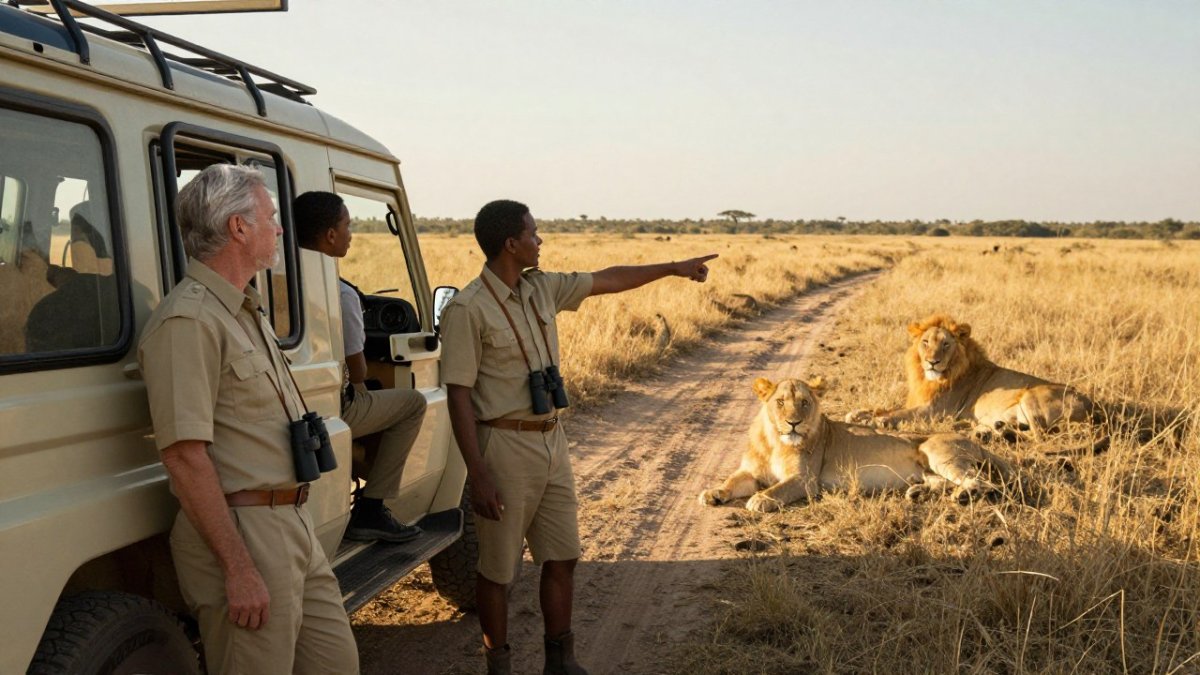
Choosing between an Isba African safari and a standard group tour can shape the whole trip, from who you see on the track to how much room you have to change plans. This comparison from Isba African safaris looks at both options side by side, so you can see where each one fits and where it falls short. For a fuller breakdown of tailor-made safari companies for Africa, see our guide to operators offering bespoke trips. Our view is that tailored travel suits most travellers planning African safari tours for a special trip, while standard group departures can suit those who want a fixed schedule. Pricing depends on dates, group size and inclusions, so we recommend requesting a written quote from Isba African safaris rather than comparing headline figures alone.
We cover the differences in itinerary control, vehicles, guiding, group size and what each option typically leaves out. Each section ends with a practical recommendation, so you can match the choice to your own priorities.
What separates the two models? A standard tour follows a fixed route with set departure dates and a shared group. A tailored safari is built around your dates, interests and pace. Isba African safaris designs itineraries from solo expeditions to group tours, so the same underlying structure can flex to suit the people travelling.
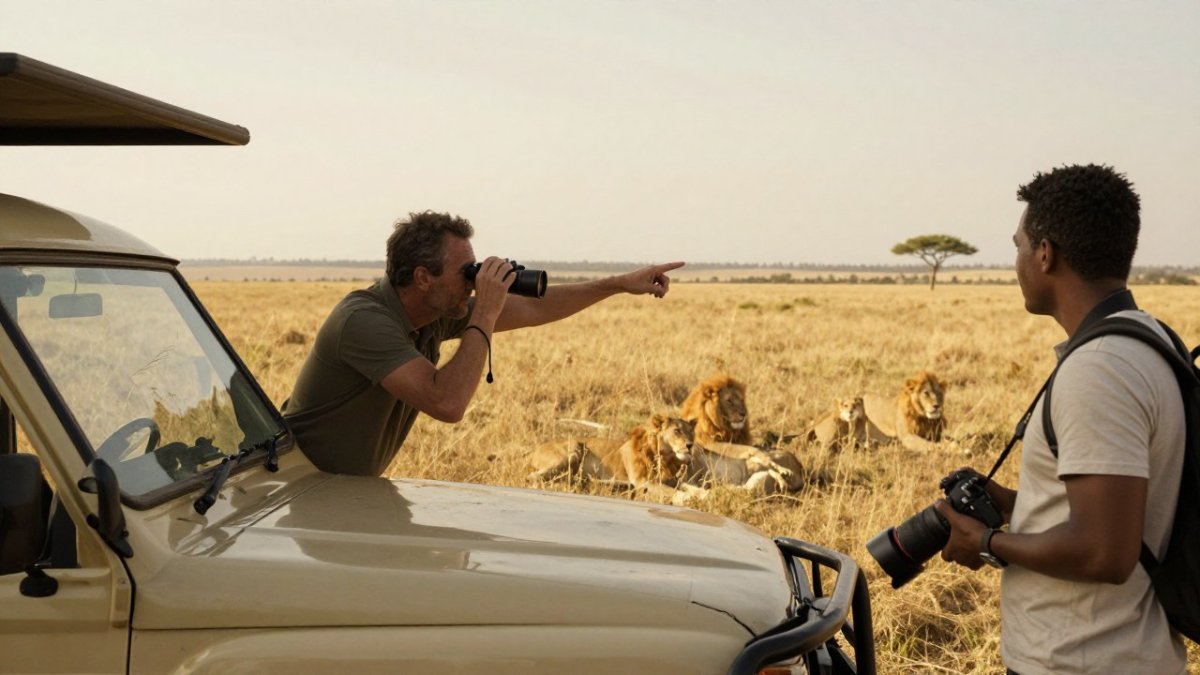
Our editorial pick is tailored travel for anyone who cares about pacing, wildlife viewing time and who shares the vehicle. Isba African safaris runs its own fleet of comfortable 4x4 safari Land Cruisers and minibuses.
Tailor-Made, Group and Self-Drive: Which Tour Type Suits You
Three formats dominate African safari planning: tailor-made trips, scheduled group tours and self-drive journeys. If you are weighing a premium experience, our guide to luxury safari versus standard tours explains which style suits your budget and expectations. Each one trades control against cost and support in a different way.
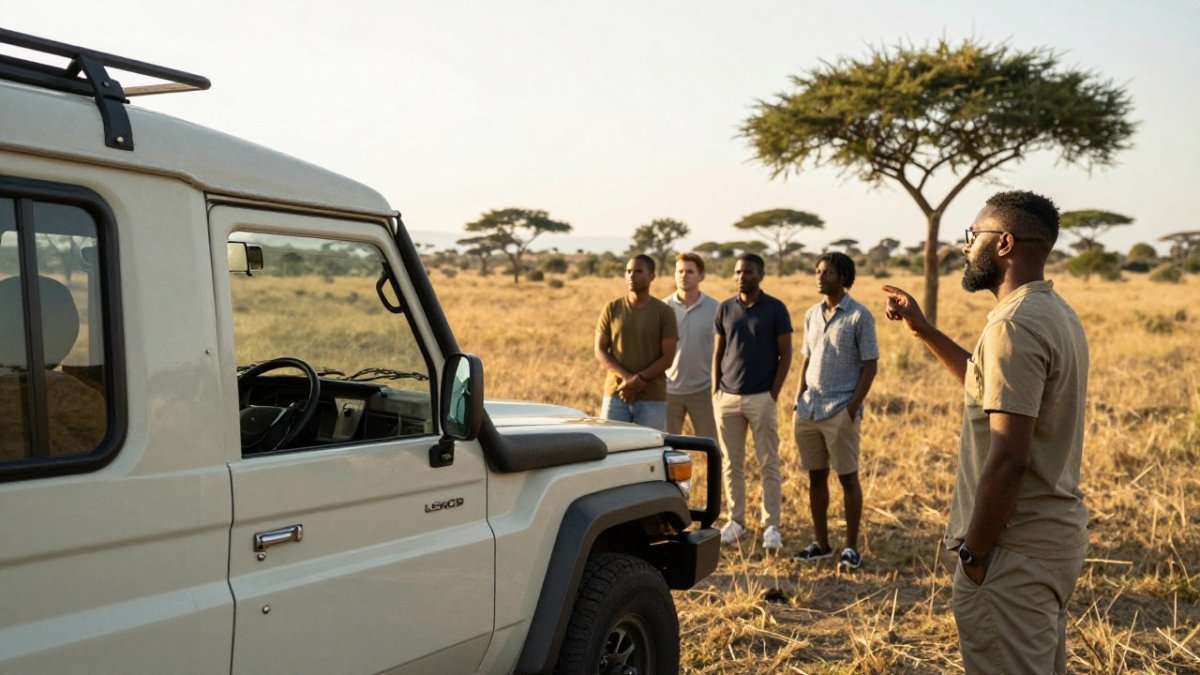
Tailor-made trips give you the most say over route, lodges and daily rhythm. You can also learn how to plan a tailor made safari with a local guide step by step. Group tours fix those details in advance, which keeps the price predictable but limits flexibility. Self-drive gives independence, though it leaves navigation, vehicle problems and border paperwork largely in your hands.
Isba African safaris designs itineraries from solo expeditions to group tours, with support for solo travellers, families and couples. Our recommendation: choose tailored travel if you have specific wildlife goals or a mixed-fitness group. Choose a group tour if you want the lowest commitment and are comfortable with fixed schedules.
Watch out: Mixing a fixed group schedule with a wish for slow, flexible days often leads to frustration. Confirm in writing how much time is set aside for each game drive before you book.
The table below sets out the three main safari formats and how each trades control against cost and support.
| Format | Best for | Key trade-off |
|---|---|---|
| Tailor-made | Specific wildlife goals or mixed-fitness groups | Most control over route and pace |
| Group tour | Lowest commitment | Predictable price, fixed schedule |
| Self-drive | Independent travellers | You handle navigation and vehicle issues |
7-Day African Safari Tours: Sample Itineraries and Durations
A seven-day safari is a realistic length for a first trip, but it leaves little margin. Two or three nights in each area is usually enough to see the highlights without spending most of the trip in transit.
A sample week might cover one main reserve with two game drives a day and a single transfer. Longer routes across several parks need more days to avoid long road legs. Tour duration is therefore as important as the destination itself.
Ask for a day-by-day breakdown showing transfer times, so you can compare it directly with other quotes.
African Safari Tours Masai Mara: Where to Stay and When to Go
The Masai Mara in Kenya is one of the best-known reserves for wildlife viewing, and the timing of your visit matters. The Great Migration of wildebeest and zebra moves through the reserve seasonally, so travel dates affect what you are likely to see.
Accommodation ranges from tented camps to permanent lodges. Choose a camp near the reserve rather than a long drive in, since time spent on the road is time not spent on game drives. Many travellers also combine the Mara with Tanzania's Serengeti or a stay in South Africa's Sabi Sands area, which offers a different kind of wildlife viewing.
Our advice is to book Masai Mara stays early for peak migration months, and to confirm which camps are inside the reserve boundary.
Lodge Styles and Accommodation Options
Lodges range from simple tented camps to luxury suites with private viewing decks. Tented camps usually sit closer to the wildlife and offer an authentic bush setting. Permanent lodges provide more space and facilities but may be further from the best game areas.
Ask your operator which style they recommend for your group. Families with younger children often prefer lodges with family rooms, while couples may choose a tented camp for the atmosphere. Accessibility also varies between lodges, so check room layout and walkways if mobility is a concern.
African Safari Tours All-Inclusive: What Is Covered and What Is Not
All-inclusive safari packages usually cover accommodation, meals, park entry fees and game drives. Items such as alcohol, laundry, tips, visas, international flights and travel insurance are often charged separately. Read the inclusions list line by line before comparing quotes.
Many travellers assume an all-inclusive price covers everything, which is rarely true. Park fees can be significant in some reserves, so confirm whether they are included or billed on arrival. The practical way to compare quotes is to build a like-for-like total cost, not to compare the headline figure. Two quotes with the same headline price can differ once park fees, transfers and drinks are added.
Use this checklist to itemise each quote before you commit:
- Park and conservancy fees: Confirm whether these are included or billed locally. In some reserves they are a separate daily charge per person, and they can change without much notice.
- International and internal flights: International flights are almost never included. Internal light-aircraft transfers between camps often are, but check the luggage allowance, which is usually strict on small aircraft.
- Transfers: Airport transfers and road transfers between lodges may be included or charged per vehicle. Ask whether the price is per person or per vehicle.
- Meals and drinks: Most packages include meals and some drinks, but premium spirits, imported wines and minibar items are commonly excluded. Confirm whether house wine and local beers are included with dinner.
- Tips and gratuities: Guides, trackers, camp staff and drivers are usually tipped separately. Ask the operator for guidance on typical amounts so you can budget rather than guess.
- Visas, vaccinations and insurance: These are traveller costs, not operator costs. Travel insurance that covers medical evacuation is worth checking before you travel to remote areas.
- Optional activities: Balloon flights, walking safaris, spa treatments and cultural visits are often priced separately. Ask for the optional-activity list with prices at the quote stage.
- Laundry and incidentals: Laundry is included at many luxury camps but charged at others. Check before you pack on the assumption it is covered.
Ask for this in writing before committing to any operator, and ask each operator to quote on the same itinerary and the same room category so the comparison is genuinely like for like.
Watch out: A quote that looks cheaper at headline level can cost more once park fees, transfers and tips are added, so compare the itemised total rather than the first number you see.
Best African Safari Tours for Couples and Accessibility Needs
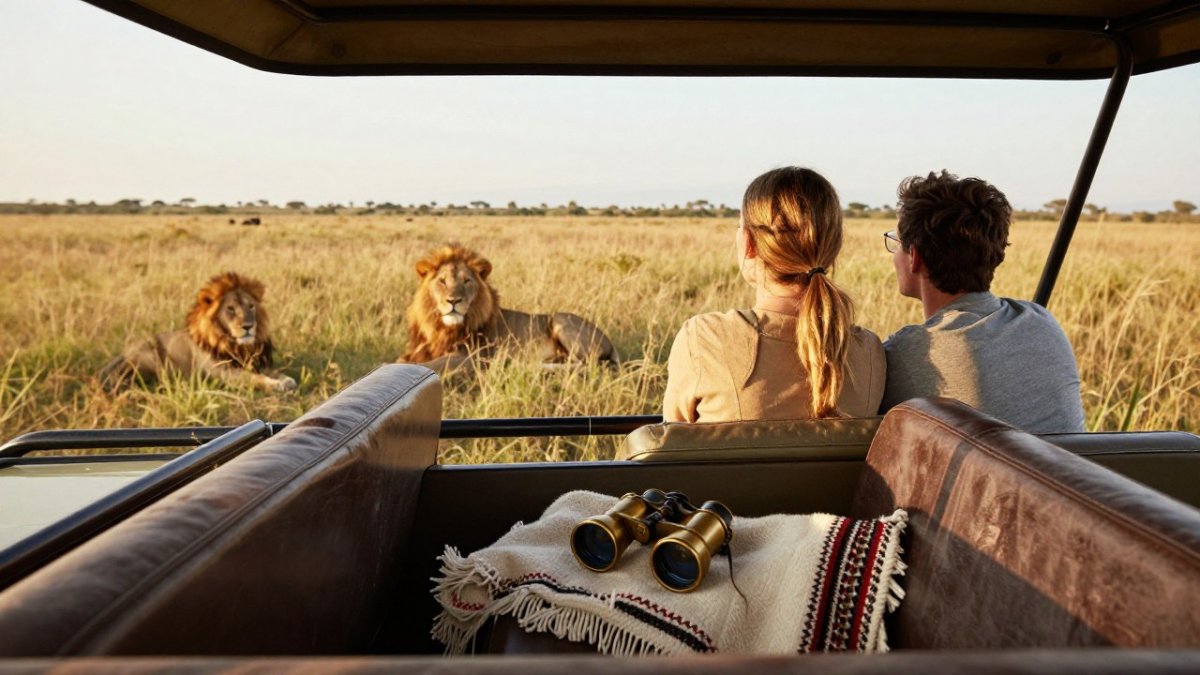
Couples often want privacy, quieter game drives and romantic lodges, which points towards tailored or small-group travel. Accessibility needs, such as limited mobility or dietary requirements, should be raised at the enquiry stage so suitable vehicles and camps can be arranged.
For mixed-ability groups, a tailored plan allows lodges with step-free access and shorter transfers.
Most operators describe themselves as accessible without defining what that means on the ground. A more useful approach is to ask specific questions and get written answers before you book.
Privacy for couples. A private vehicle and guide is the clearest way to control pacing and avoid sharing game drives with strangers. Ask whether the quote includes a private vehicle or whether it is a shared game drive, and confirm the seat configuration.
Mobility and vehicle access. Ask how many steps are between the vehicle and the room, whether the walkways are paved or sand, and whether the vehicle has a step or a ramp.
Dietary requirements. State allergies and dietary needs at enquiry, not on arrival. Ask whether the kitchen can handle the requirement consistently across every camp on the route, since a multi-camp itinerary means multiple kitchens.
Children's ages. Minimum ages vary by camp and by activity. Walking safaris and balloon flights often have their own age limits, and some camps do not accept young children at all.
Solo travellers. Single supplements are common, but some operators waive them on set departures or pair solo travellers in shared accommodation. Ask whether a single supplement applies and whether it can be avoided.
Medical considerations. Remote camps may be a long way from medical facilities. Travellers with ongoing medical needs should confirm that medication can be stored appropriately and that the itinerary allows for rest days (the WHO).
Our recommendation: tell your operator about every requirement upfront, including dietary needs and mobility, rather than discovering them on the ground. Put the answers in writing and check that each camp on the route has confirmed them, not just the booking office.
Watch out: Accessibility and dietary promises made at enquiry are sometimes not passed to the individual camps, so ask for written confirmation from each property on your route.
Booking Your Safari: Steps From Enquiry to Departure
Start with a clear enquiry. Give your preferred dates, budget range, group size, interests and any accessibility needs. Isba African safaris aims to reply to enquiries within 24 hours.
Next, compare written quotes side by side, checking inclusions, transfers, park fees and cancellation terms. Confirm the guide's language skills and the vehicle type. Once you have agreed the itinerary, pay the deposit, then arrange travel insurance and any visa requirements well before departure.
Watch out: Last-minute itinerary changes are a common source of frustration. Ask how the operator handles changes, and what notice period applies, before you sign.
Get started with Isba African safaris for a tailored plan built around your dates and interests, with bilingual, locally trained guides and your own 4x4 fleet.
Frequently Asked Questions
What is the best African safari tour?
The best African safari depends on your priorities: wildlife density, budget, group size and how much you want to customise. Tailor-made tours suit couples and multi-generational groups who want control over pace and lodges, while group tours suit solo travellers who want lower costs. Isba African Safaris offers flexible, tailor-made safari planning based on client budget, and you can request a quote from the website.
How much does an African safari tour cost?
Isba African Safaris does not publish fixed prices because costs depend on destination, dates, lodge category, group size and vehicle type. Pricing for tailor-made trips is quoted individually after an enquiry. Compare quotes on a like-for-like basis, checking whether flights, park fees, meals, guides and transfers are included, so the totals are genuinely comparable.
What is included in an all-inclusive African safari?
Inclusions vary by operator, so always check the written itinerary. Common inclusions are accommodation, meals, game drives, and park entry fees. Items often charged separately include international flights, visas, drinks, tips, travel insurance and some optional activities. Ask for an itemised breakdown before you book.
Are African safari tours suitable for families?
Yes, many operators run family-friendly safaris, but check minimum ages for game drives and lodge policies. Isba African Safaris designs tailored itineraries that can be planned around the needs of multi-generational groups.