 How-to
How to Find Authentic Safari Experiences in Africa
Last Updated: October 31, 2026
Quick Summary
Authentic safari experiences come from time in the bush, not just at the lodge, with a knowledgeable local guide and small groups. Choose an operator that runs dawn and dusk drives, uses small vehicles, and answers your questions clearly before you book.
- Look for game drives that leave at dawn and return after dusk.
- Choose a local guide who shares knowledge about tracks, birds and seasonal behaviour.
- Prefer small groups, ideally a single vehicle, to avoid queuing for sightings.
- Ask how the itinerary adjusts if wildlife appears or the weather shifts.
- Confirm the vehicle, guide and itinerary in writing before you pay.
Table of Contents
- What Makes a Safari Experience Authentic
- How to Choose a Safari Operator You Can Trust
- Questions to Ask Before Booking a Safari
- Why a Safari With a Local Guide Makes the Difference
- Private Safaris Versus Group Safaris: Which Feels More Authentic
- Avoiding Crowded and Overly Commercial Safari Sites
- Responsible Safari Tourism and Respecting Local Communities
- Planning Your First Authentic Safari With Isba
- Frequently Asked Questions
What Makes a Safari Experience Authentic
An authentic safari experience is one where the wildlife, the landscape and the people you meet feel real rather than staged. Plenty of trips promise this. Far fewer deliver it.
Authenticity usually comes down to three things. The first is time in the bush, not just time at the lodge. The second is a guide who reads the land and the animals rather than simply driving to the next famous spot. The third is the feeling that your group is one of a few vehicles in a place, not one of twenty.
Here's what to look for:
- Game drives that leave at dawn and return after dusk, when animals are most active
- Local guides who share knowledge about tracks, birds and seasonal behaviour
- Small groups, ideally a single vehicle, so you are not queuing for a sighting
- Lodges and camps run by local communities or long-standing operators
Most disappointing safaris share one flaw: they are built around a checklist of parks rather than around the animals. Good trips are built the other way round.
How to Choose a Safari Operator You Can Trust
Choosing the right operator matters more than choosing the right destination. Many travellers find that a well-run trip in a modest park beats a rushed tour of the most famous one.
Start by asking how the operator sources its guides, vehicles and camps.
Check how quickly they reply. Operators who respond to enquiries promptly are a good sign, and a slow reply before you have paid anything is a warning sign for the weeks ahead.
Checking Vehicles, Group Sizes and Itinerary Flexibility
Vehicles and group size shape your experience more than most people expect. A comfortable 4x4 with a good view and a small group can give better photography and game viewing than a crowded bus.
Ask these questions:
- How many guests share one vehicle?
- Is the vehicle an open-sided 4x4 or a closed minibus?
- Can the itinerary change if wildlife is spotted nearby or the weather shifts?
- Are the dates guaranteed, and what happens if they are not?
Flexibility matters. A rigid schedule leaves no room for the sightings that make a trip memorable.
Questions to Ask Before Booking a Safari
Before you commit, put these questions to any operator, including us:
- Who will guide us, and how many years have they worked in this area?
- How many guests will travel in each vehicle?
- Can you keep our group separate from other tourists?
- What support do we get if something goes wrong on the road?
- How is the itinerary adjusted if we want more time at one location?
- What is included in the price, and what is extra?
A clear, specific answer to each question is a good sign. Vague replies are not.
Before you commit, the article suggests putting these questions to any operator, and a clear answer to each is a good sign. You can use our structured checklist for running through these points with any company before you book.
| Question | What a good answer looks like | Why it matters |
|---|---|---|
| Who will guide us? | Named guide with years in the area | Local knowledge shapes the sightings |
| How many guests per vehicle? | A small number, ideally one vehicle | Fewer vehicles mean fewer queues |
| Can you keep our group separate? | Clear yes or no | Avoids crowds around sightings |
| What support if something goes wrong? | Specific, practical arrangements | Protects you on the road |
| How is the itinerary adjusted? | Flexible changes for more time | Lets you linger at good spots |
| What is included in the price? | Itemised, with extras listed | Avoids surprise costs |
Why a Safari With a Local Guide Makes the Difference
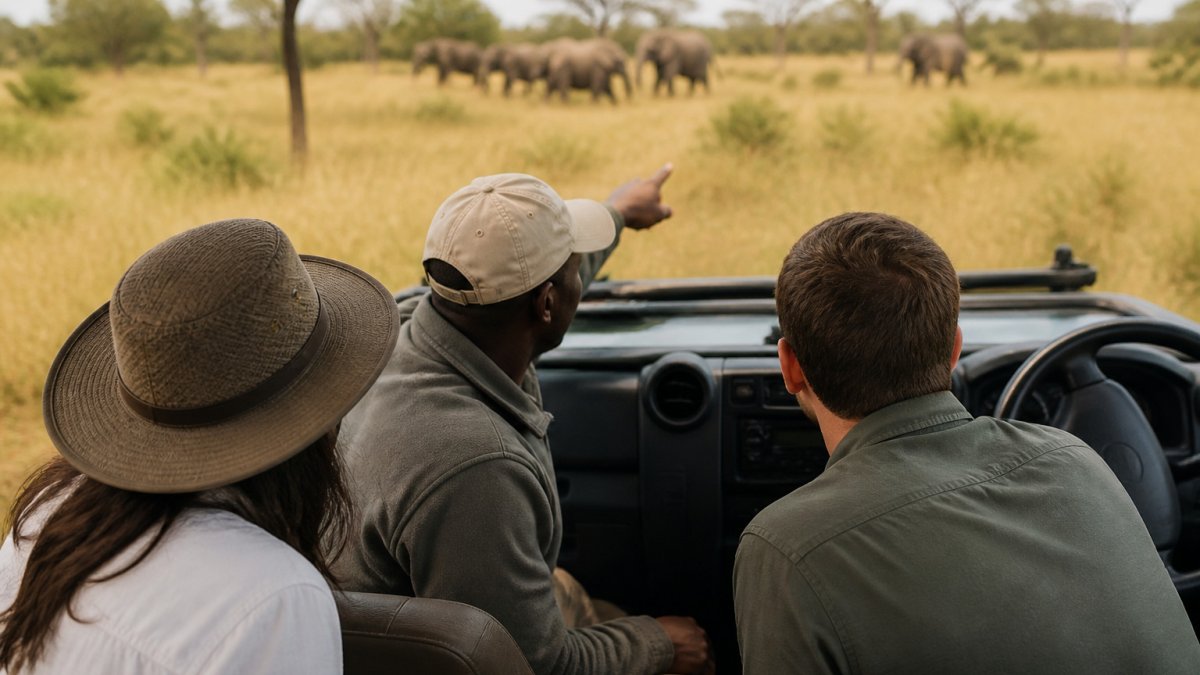
A local guide turns a drive into an education. They know the tracks left by the animals that passed at dawn, the calls that signal a predator nearby, and the subtle changes in behaviour that tell you a sighting is coming.
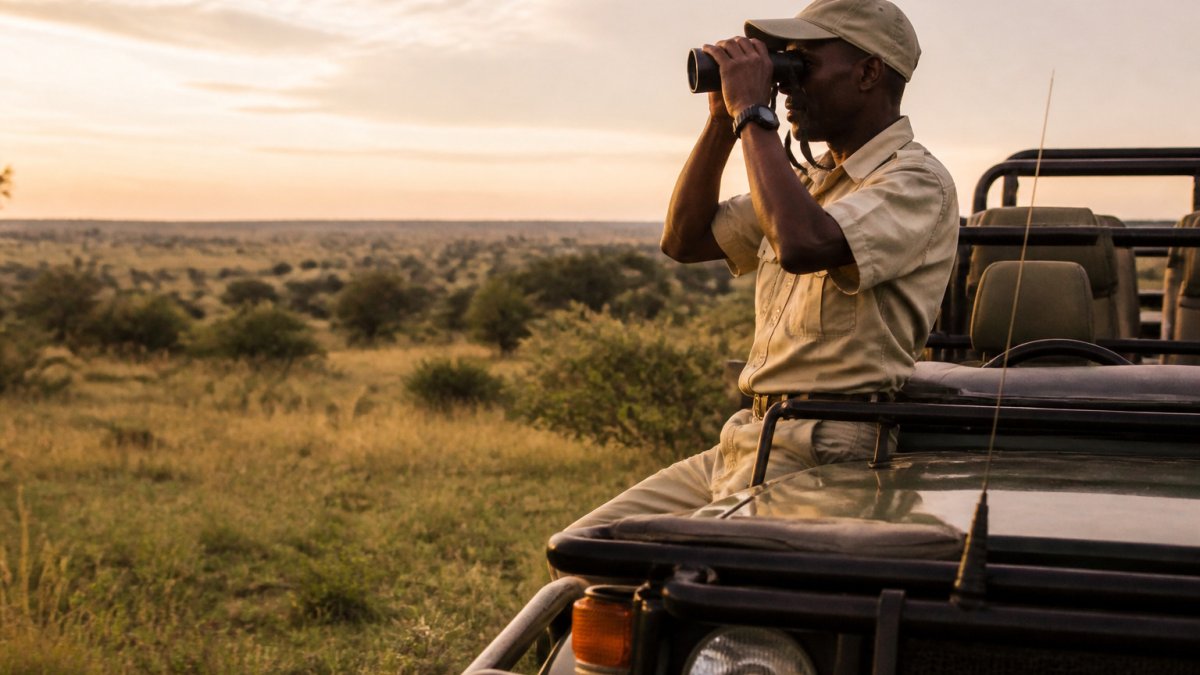
Experienced guides also know when to wait and when to move on. That judgement is what separates a rushed tour from a relaxed, rewarding day. You can compare the best private guides available across Africa before choosing one for your trip.
Bilingual, locally trained guides bring this kind of knowledge to a trip.
Private Safaris Versus Group Safaris: Which Feels More Authentic
Private safaris give you more control over pace, so you can choose when to stop and which areas to explore. Group safaris can still work well, especially for solo travellers who want company, but the shared schedule limits flexibility.
A private trip suits couples, families and photographers who want time to wait for the right light or behaviour. If you are unsure whether a bespoke trip is worth the extra cost for you, this guide helps you weigh it up. A group trip suits travellers who value lower cost and social time around the campfire.
Many people find that the right choice depends on what they want from the trip, not on which option sounds more luxurious.
Avoiding Crowded and Overly Commercial Safari Sites
Some of the most visited areas can feel more like a tourist queue than a wilderness. Busy viewpoints can have many vehicles clustered around a single sighting, which spoils the experience for everyone.
A common approach is to choose quieter reserves or visit popular parks outside peak months. Ask your operator which routes avoid the main crowds and how early they leave camp each morning. Our page on timing and routes to quieter wildlife areas sets out practical steps you can take.
Responsible Safari Tourism and Respecting Local Communities
Authentic travel also means leaving a light footprint. Choose operators that keep wildlife at a respectful distance, follow park rules and avoid feeding or disturbing animals.
Look for businesses that employ and train local people, and that spend money in the communities they visit. Responsible operators are usually happy to explain how their trips benefit the area.
Planning Your First Authentic Safari With Isba
Planning your first trip is easier when you break it into steps:
- Decide your priorities: wildlife, photography, a family outing or a quiet escape.
- Set a realistic budget. Pricing depends on dates, group size and the parks you choose, so ask for a current quote.
- Choose between a private and a group trip based on your pace and company.
- Contact an operator with your questions and check how quickly they reply.
- Confirm the vehicle, guide and itinerary in writing before you pay.
Isba African Safaris designs tailor-made itineraries for couples, families, solo travellers and self-drive explorers, using its own 4x4 vehicles and expert local guides. Our step-by-step guide to designing a bespoke itinerary shows how a trip with us comes together. To find out how we could shape your first authentic safari, enquire for a tour booking and we will reply within 24 hours.
Frequently Asked Questions
What makes a safari experience authentic?
An authentic safari is shaped by knowledgeable guides, small and flexible groups, and an itinerary built around the wildlife and landscapes you want to see rather than a fixed checklist of parks. Look for guides who know the area and its animal behaviour well, vehicles that allow close but respectful viewing, and time spent in each location rather than rushed transfers. Ask any operator how they keep groups separate from other tourists and how the itinerary adapts if sightings change, as the answers show how a trip is run.
How do I choose a trustworthy safari operator?
Start by checking how long the operator has run tailor-made safaris in the countries you plan to visit and whether its guides are locally trained and experienced. Ask about the vehicles they use, how quickly they respond to enquiries, and what support you receive if something goes wrong on the road. Clear, detailed answers to these questions are a good sign. Vague replies, or pressure to book before you have a written itinerary, are not.
Can I find an authentic safari on a tighter budget?
Yes, but the cost depends on dates, group size, vehicle type, accommodation level and the parks you visit, so no single figure applies. Isba African Safaris tailors itineraries to the budget you set, so you can focus spending on the elements that matter most, such as guiding and game-viewing time. For current prices or a quote, contact Isba directly through its website.
How can I experience local culture respectfully on safari?
Choose operators who arrange any community visits or cultural experiences with local people, and avoid anything staged for tourists. Listen to your guide about local customs, ask permission before photographing people, and follow the rules at parks and lodges. Spending on local guides, crafts and services keeps more of your money in the communities you visit.