 How-to
How to Avoid Safari Crowds: A 2026 Guide
Table of Contents
- Why Avoiding Safari Crowds Matters
- Best Time to Avoid Crowds on Safari
- Less Crowded Safari Destinations in Africa
- How to Avoid Crowds on a Serengeti Safari
- Private Safari Versus Group Safari: Which Gives You Space
- Booking Strategies to Secure a Quieter Experience
- Common Mistakes That Lead to Crowded Safaris
- Frequently Asked Questions
Last Updated: October 21, 2026
Why Avoiding Safari Crowds Matters
When you've saved for years to take a safari, the last thing you want is to share the experience with dozens of other vehicles, which is why learning how to avoid safari crowds matters so much. Crowds change everything. You miss intimate wildlife moments. Photography becomes impossible. Your guides rush between spots to tick boxes off a list rather than follow animal behaviour.
Avoiding safari crowds transforms your trip from a rushed tick-box exercise into something genuinely memorable. You'll spend more time watching a pride of lions hunt. Your guides can focus on your interests rather than keeping pace with a convoy. You'll actually hear the sounds of Africa instead of diesel engines and radio chatter.
At Isba African safaris, we specialise in crafting bespoke, unforgettable African travel experiences, solving the challenge of planning complex, personalised adventures. The difference between a peak-season safari and a quiet one isn't luck, it's planning. We'll show you exactly how to get there.
Best Time to Avoid Crowds on Safari
The best time to avoid safari crowds is during the shoulder seasons: April to May and November. These months fall between peak tourism periods, so fewer visitors compete for game viewing. The weather remains excellent for wildlife spotting.
Why these months work:
- April to May: Heavy rains mean fewer tourists, but animals remain active and visible. Vegetation is lush, making photography more dramatic.
- November: The short rains bring wildlife back to predictable water sources. Crowds haven't yet arrived for the December holidays.
- June to September: These are winter months in the Southern Hemisphere. Temperatures drop, but crowds peak. Avoid unless you prioritise specific wildlife.
Peak season runs July through October. Thousands of visitors flood the parks. You'll see other vehicles at every sighting. Your guide will compete for positioning with five other vehicles trying to photograph the same lion.
The quietest times are January to March. Some lodges close during this period due to heavy rains, which limits accommodation options. If you can travel then, you'll have entire areas to yourself.
Less Crowded Safari Destinations in Africa
Not all safari destinations attract equal crowds. Some parks have become victim to their own popularity. Others remain wonderfully quiet because fewer tourists know about them.
Tarangire National Park (Tanzania) sees far fewer visitors than the Serengeti or Ngorongoro Crater. The park offers exceptional wildlife viewing, elephants, buffalo, and predators, without the convoy experience. Most guides will take you to less-visited sections where you might see only one or two other vehicles per day.
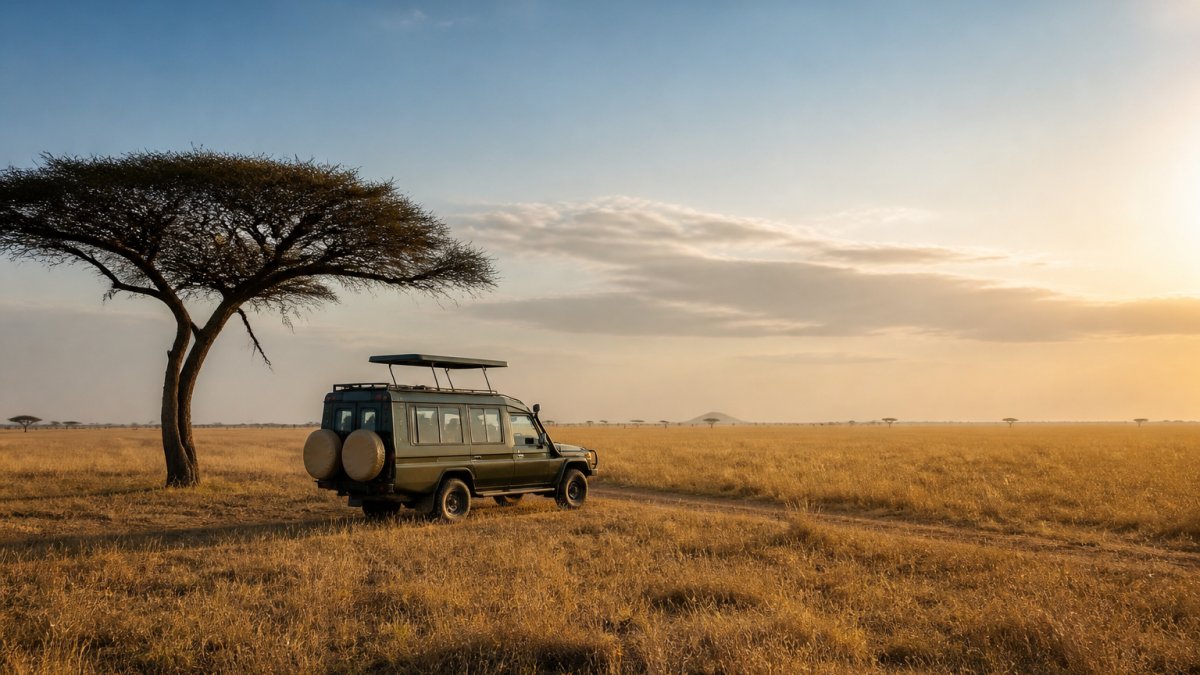
Ruaha National Park (Tanzania) is Tanzania's largest park and remains relatively unknown to international tourists. You'll find fewer lodges here, which naturally limits visitor numbers. The landscape is stunning, and wildlife is abundant.
Hwange National Park (Zimbabwe) attracts fewer international visitors than parks in Kenya or Tanzania. It's equally rewarding for game viewing, with large elephant populations and diverse predators.
Kafue National Park (Zambia) is enormous and receives a fraction of the visitors that flock to South Africa's Kruger. Most safari operators focus on other destinations, which means you'll have vast stretches of wilderness to yourself.
The common mistake is assuming famous parks are your only option. They're not. Speak with guides who know the lesser-known parks intimately. They'll take you to areas where crowds simply don't venture.
How to Avoid Crowds on a Serengeti Safari
If your heart is set on the Serengeti, you can still avoid the worst crowds with smart planning. The Serengeti is enormous, 30,000 square kilometres. Most tourists concentrate in the central corridor where the migration passes. You don't have to be there.
Visit the northern or southern sections. The central Serengeti sees the heaviest traffic during migration months. The north and south offer equally excellent wildlife but with far fewer vehicles. You'll find lions, buffalo, and elephants without the crowds.
Time your visit carefully. If you must visit during peak season, go in June or early July when the migration is just beginning to move north. Most tourists arrive in July and August when the river crossings happen. You'll see migration activity with fewer vehicles.
Book with operators who limit vehicle numbers. Some safari companies deliberately restrict how many vehicles visit certain areas. This keeps congestion manageable. Ask your operator directly: how many vehicles do they run? How many guests will be at your lodge? Do they have exclusive access to any areas?
Stay longer in one location. Rushing between different lodges means driving during peak game-viewing hours. Staying put allows your guide to take quieter routes and spend more time in less-visited corners of the park.
Private Safari Versus Group Safari: Which Gives You Space
A private safari gives you more control over your experience. You choose the pace, the stops, and the route. Your guide isn't juggling the interests of eight other tourists.
Private safaris cost more. You're paying for exclusive use of a vehicle and guide. The expense means fewer people can afford them, which paradoxically makes them less crowded, fewer vehicles on the roads overall.
Group safaris are inherently more crowded. You're sharing a vehicle with five to seven other tourists. Your guide must balance competing interests. Someone always wants to stop when someone else wants to move on.
Group safaris do offer advantages. They're more affordable. You'll meet other travellers. The shared cost makes longer trips feasible for many people. But if avoiding crowds is your priority, they're not ideal.
A middle ground exists: small group safaris with four to six people maximum. These keep costs reasonable while limiting vehicle congestion. You'll have more flexibility than a large group tour without paying full private safari rates.
At Isba African safaris, we offer both options with flexibility built in. We can design a private itinerary or combine you with a small group of like-minded travellers. The choice depends on your budget and how much solitude you need.
Booking Strategies to Secure a Quieter Experience
How you book determines what experience you'll get. Last-minute bookings through big tour operators often slot you into crowded group tours. Strategic booking gives you better options.
Book directly with experienced operators. Large booking platforms push you toward their most popular (and most crowded) packages. Operators who specialise in tailor-made safaris can build something quieter. They know which lodges have fewer guests and which areas see minimal traffic.
Ask specific questions before booking:
- How many vehicles does the lodge operate?
- How many guests will be staying during your dates?
- Does the operator have exclusive concessions or preferred areas?
- What's the guide-to-guest ratio?
- Can they guarantee you won't share a vehicle with other groups?
Book well in advance. Last-minute bookings get whatever space remains. Early booking gives you choice. You can request specific dates when fewer tourists travel. You can specify your preferences about group size and lodge capacity.
Consider private concessions. Some operators lease private land adjacent to national parks. These concessions have no vehicle limits imposed by the park authority. They can control their own traffic. Safaris here are naturally quieter because fewer operators have access.
Avoid peak dates. School holidays and Christmas create predictable surges. If you can travel outside these windows, you'll find dramatically fewer tourists. The wildlife doesn't care when you visit, it's equally active in April as in July.
Common Mistakes That Lead to Crowded Safaris
Most people end up in crowded safaris because they don't know what to avoid. Once you understand these mistakes, you can sidestep them entirely.
Booking through mass-market platforms. These sites prioritise popular packages that appeal to the most people. Popular means crowded. You're funnelled toward the same lodges and parks everyone else books.
Assuming all safari operators are equal. They're not. Some run 20 vehicles in a small area. Others run three. Your operator's fleet size directly affects your experience. Ask before booking.
Visiting during peak season without a plan. Peak season isn't inherently bad if you know how to navigate it. But showing up without advance planning means you'll end up wherever beds are available, usually the most crowded lodges.
Choosing lodges based on reviews alone. Popular lodges get glowing reviews because they're excellent. But excellence attracts crowds. A quieter lodge might have fewer reviews simply because fewer people stay there.
Not specifying your preferences upfront. If you tell your operator you want solitude, they can design accordingly. If you just book a generic package, you get the default experience, which is crowded.
Underestimating the value of timing. A single week's difference can mean the gap between a convoy experience and near-solitude. April is dramatically quieter than May. November is quieter than December. Small timing shifts create enormous differences in crowd levels.
A truly rewarding safari requires more than just booking a lodge. It demands intentional planning around timing, destination, and operator choice. The quietest safaris aren't accidents, they're the result of understanding where crowds concentrate and deliberately choosing differently.
When you work with Isba African safaris to plan your trip, we handle these details for you. We can design an itinerary that prioritises solitude whilst delivering exceptional wildlife viewing. Our experienced guides know the quieter routes and lesser-known areas where you'll encounter far fewer tourists. Enquire for your tailor-made tour booking today, and let's create the intimate African safari experience you've been imagining.
Frequently Asked Questions
What is the best time of year to avoid safari crowds?
Shoulder seasons, April to May and November, offer fewer visitors than peak months. These periods fall between high season and the rainy season. You'll encounter smaller groups at waterholes and viewpoints, though some areas experience lighter rainfall. Booking directly with experienced operators like Isba African Safaris ensures you're placed during quieter windows that suit your preferences and wildlife viewing goals.
Which African safari destinations are genuinely less crowded than the Serengeti?
Destinations including Hwange National Park in Zimbabwe see significantly fewer vehicles than the Serengeti. These areas offer equally rich wildlife encounters with far more solitude. Private concessions within these regions provide even greater exclusivity. Your choice depends on which species and landscapes matter most to you, specialist guides can match you to the right destination.
Is a private safari truly less crowded than a group safari?
Yes. Private safaris operate on your schedule with your dedicated vehicle and guide, eliminating the need to share viewpoints or wait for other groups. Group safaris, whilst social and cost-effective, concentrate multiple vehicles at popular sighting locations during peak hours. For maximum solitude and photography opportunities, private experiences deliver the intimate wildlife encounters many travellers seek. Isba African Safaris tailors both options to your budget and preferences.
How far in advance should I book to secure a quieter safari experience?
Book 3-6 months ahead for shoulder-season dates and less popular destinations. Last-minute bookings often default to peak-season dates or busier group departures. Communicate your crowd-avoidance priorities when enquiring, experienced operators can reserve specific dates and routes designed for smaller footprints.