 blog
Best Months for African Wildlife Viewing: 2026 Guide
Table of Contents
- Best Months for African Wildlife Viewing: A Seasonal Overview
- African Safari Dry Season vs Wet Season: What You Need to Know
- Best Time for an African Safari by Month
- Best Time to See the Great Migration
- Best Time to Visit East Africa for Safari
- Regional Wildlife Viewing by Season
- Budget-Friendly Safari Months and What to Expect
- Planning Your Safari: Matching the Season to Your Priorities
- Frequently Asked Questions
Last Updated: October 17, 2026
Best Months for African Wildlife Viewing: A Seasonal Overview
When you're planning an African safari, timing is everything. The difference between arriving during peak season and visiting during the shoulder months can mean the difference between witnessing a thundering elephant herd and spending hours without spotting anything worthwhile.
Africa's wildlife patterns follow its rainfall cycles. During certain months, animals congregate around reliable water sources, making them predictable and easier to locate. During others, they disperse across vast territories, testing even the most experienced guides.
The best months for African wildlife viewing depend on which region you're visiting and what you hope to experience. Southern Africa's dry season differs from East Africa's patterns. The Great Migration follows its own calendar. Understanding these regional variations is crucial before booking your itinerary.
African Safari Dry Season vs Wet Season: What You Need to Know
The dry season and wet season represent two fundamentally different safari experiences. Most first-time visitors assume dry season is always better, but that's only part of the story.
Why the Dry Season Delivers Better Game Viewing
During the dry season, vegetation thins out dramatically. Trees lose their leaves. Grass becomes sparse and brown. This creates exceptional visibility for spotting wildlife. Animals must gather near remaining water sources, concentrating them in predictable locations.
The dry season typically runs from June to October in East Africa and May to September in Southern Africa. During these months, you'll encounter larger groups of animals in tighter areas. Early morning and late afternoon drives yield consistent sightings. Photography conditions improve significantly, with golden light and clear skies.
Comfort levels also improve during dry season. Roads become passable without becoming treacherous. Camps remain fully operational. Your guides can navigate with precision. The trade-off is straightforward: dry season attracts more visitors, and accommodation prices reflect that demand.
Advantages of Visiting During the Wet Season
The wet season transforms the landscape into emerald abundance. Vegetation explodes. Water becomes available everywhere, not just at permanent sources. This disperses wildlife across enormous territories, making sightings less predictable but more intimate when they occur.
Many experienced safari-goers prefer wet season for this reason. You'll encounter fewer other visitors. Accommodation costs drop significantly. Birdwatching improves dramatically, with migratory species arriving to breed. The landscape photography becomes extraordinary, with dramatic storm clouds and lush vegetation creating stunning backdrops.
Wet season runs from November to April in East Africa. In Southern Africa, it varies by region but generally covers December to March. Early rains (November-December) often deliver the best balance: fewer tourists than peak dry season, but reliable wildlife viewing as animals still concentrate around water sources.
Best Time for an African Safari by Month
| Month | Region | Visibility | Animal Concentration | Crowd Level | Conditions |
|---|---|---|---|---|---|
| June-August | East Africa | Excellent | Very High | High | Dry, cool |
| September-October | East Africa | Good | High | Moderate | Dry, warming |
| November-December | East Africa | Good | Moderate-High | Low | Green, scattered rain |
| January-March | East Africa | Fair | Moderate | Low-Moderate | Green, warm |
| May-August | Southern Africa | Excellent | Very High | Moderate | Dry, cool |
| September-October | Southern Africa | Good | High | Moderate | Dry, warming |
| November-April | Southern Africa | Fair | Moderate | Low | Green, warm |
June to October: Peak Dry Season
June through October represents peak dry season across most of East Africa. This is when the best months for African wildlife viewing truly shine for most visitors. Visibility reaches its maximum. Animal concentrations peak around water sources like the Serengeti's rivers and Kenya's waterholes.
July and August are the absolute busiest months. The Great Migration crosses the Serengeti's northern plains during this window, creating one of Earth's most dramatic natural spectacles. If witnessing millions of wildebeest, zebras, and gazelles in coordinated movement is your priority, these months are non-negotiable.
September and October remain excellent but slightly quieter than July-August. Prices begin dropping. Animal viewing remains exceptional. The landscape transitions from brown grassland toward greener tones as the first rains approach. Many experienced safari-goers prefer September for this reason: you get dry-season visibility without the July-August crowds.
November to May: Green Season and Shoulder Months
November marks the onset of the short rains in East Africa. The landscape transforms rapidly. Grass grows. Trees leaf out. Water appears almost everywhere. This disperses wildlife, but it also attracts migratory birds and creates stunning photographic opportunities.
December through February represents the warm, dry period within the broader green season. Visibility remains decent. Prices drop substantially compared to peak season. Animal viewing becomes more challenging but remains rewarding for patient observers. January and February are particularly quiet months, offering genuine solitude and intimate encounters.
March through May sees the long rains in East Africa. Many camps close during April and May. Roads become difficult. Visibility deteriorates. However, May often surprises visitors with excellent wildlife viewing as animals concentrate around remaining water sources before the dry season arrives.
Best Time to See the Great Migration
The Great Migration represents the most dramatic wildlife event on Earth. Two million wildebeest, zebras, and gazelles move in coordinated cycles following rainfall patterns. Witnessing this phenomenon requires understanding its timing precisely.
The migration follows a rough annual pattern, but exact timing varies yearly based on rainfall. Generally, the herds move north from Tanzania's Serengeti into Kenya's Masai Mara from July through September.
The herds return south from October through December. The southern plains of the Serengeti see the largest concentrations from December through May. If your priority is witnessing the dramatic river crossings, July through September is essential.
Many safari operators can time your visit to coincide with specific migration phases. The key is communicating your priorities clearly when planning. Some visitors want the adrenaline of river crossings. Others prefer the spectacle of vast herds across open savannah.
Best Time to Visit East Africa for Safari
East Africa encompasses Tanzania, Kenya, Uganda, and Rwanda. Each destination has distinct seasonal patterns and wildlife viewing opportunities.
Tanzania's Peak Seasons
Tanzania's Serengeti and Ngorongoro Crater represent Africa's most iconic wildlife destinations. The dry season from June to October delivers exceptional game viewing. July and August see peak migration activity. The Ngorongoro Crater maintains reliable wildlife viewing year-round due to its concentrated ecosystem.
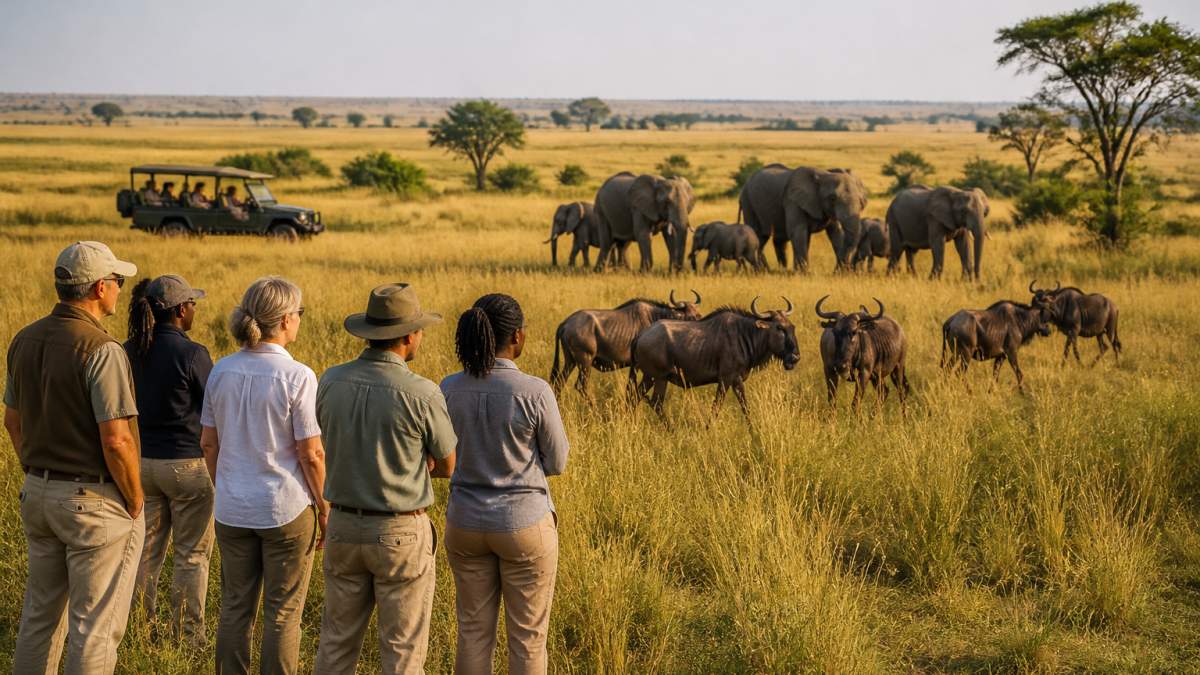
November to May offers quieter experiences with lower prices. May represents an underrated sweet spot: the long rains taper, visibility improves, and fewer visitors crowd the parks. Tanzania's southern parks, Selous and Ruaha, peak during June to October when wildlife concentrates around remaining water sources.
Kenya's Optimal Viewing Periods
Kenya's Masai Mara offers some of Africa's best wildlife viewing during the dry season. July through September brings the migrating herds from Tanzania. October to December sees the herds returning south, but the Mara itself maintains excellent resident wildlife populations.
January through June offers quieter experiences. February and March are particularly good for predator viewing, as lions and leopards concentrate in smaller territories with reduced vegetation. June is an underrated month: the short rains have passed, vegetation greens up, and visitor numbers remain low.
Kenya's Amboseli National Park offers year-round viewing with Mount Kilimanjaro as a dramatic backdrop. The dry season from June to October provides the clearest mountain views. The wet season from November to May delivers greener landscapes and better bird watching.
Regional Wildlife Viewing by Season
Southern Africa Seasons and Highlights
Southern Africa, encompassing Botswana, Zimbabwe, Zambia, and South Africa, follows different seasonal patterns than East Africa. The dry season runs from May through September. This is when wildlife concentrates around permanent water sources like the Okavango Delta and Victoria Falls.
June through August represents peak season. Visibility is exceptional. Animal concentrations are highest. Prices are highest. September and October see prices beginning to drop while viewing remains excellent. The landscape becomes increasingly dry and brown, but wildlife remains concentrated.
November through April is the green season. The landscape transforms. Birdwatching improves dramatically. Prices drop substantially. Animal viewing becomes more challenging as wildlife disperses. However, this season offers genuine solitude and intimate encounters. December and January are particularly quiet, offering exceptional value for budget-conscious travellers.
Central Africa's Best Viewing Windows
Central Africa, including Uganda, Rwanda, and the Democratic Republic of Congo, offers different wildlife experiences than East or Southern Africa. Gorilla trekking in Uganda and Rwanda operates year-round but has peak seasons. The dry seasons (June-August and December-February) offer the best trekking conditions, with clearer trails and better visibility.
The wet seasons (March-May and September-November) present challenges for gorilla trekking but offer advantages. Fewer visitors trek during these months. Prices drop. The forest becomes lush and green. Experienced trekkers often prefer shoulder months like November or May for the balance between manageable conditions and fewer crowds.
Budget-Friendly Safari Months and What to Expect
If your budget is tight, certain months deliver exceptional value without sacrificing wildlife viewing entirely. May represents an overlooked gem across most of Africa. The long rains have ended. Vegetation is green.
November and December offer similar advantages. The short rains have passed. The landscape is green. Prices are substantially lower than peak season. December sees some price increases as Christmas holidays approach, but early December remains relatively quiet.
April and May in East Africa present challenges for some camps, as many close during the long rains. However, those that remain open offer exceptional value. Wildlife viewing improves as rains taper. Visibility increases.
January and February represent the quiet season across most of Africa. Prices are lowest. Visibility remains decent. Animal viewing requires more patience but rewards that patience with intimate encounters and genuine solitude.
Planning Your Safari: Matching the Season to Your Priorities
Choosing the best months for African wildlife viewing requires honest assessment of your priorities. Are you chasing the Great Migration spectacle? July through September is non-negotiable. Do you want exceptional game viewing with fewer crowds?
Photography enthusiasts should consider timing carefully. Peak dry season (June-August) offers golden light but crowded viewing positions. Green season (November-April) offers dramatic skies and lush backdrops but requires more patience for animal sightings.
Multi-generational groups with varying fitness levels benefit from shoulder months. The green season's cooler temperatures and shorter viewing distances suit those with physical limitations.
At Isba African safaris, we work with clients to match seasonal timing to their specific priorities.
The timing you choose will define your safari experience.
Planning your African safari requires more than just choosing a destination, it requires understanding when to visit.
Frequently Asked Questions
What are the best months for an African safari?
June to October offers the most reliable wildlife viewing across most African regions, as animals concentrate around water sources during the dry season. However, the best months depend on your location and what you want to see. East Africa's peak season runs June to October, while Southern Africa peaks July to September. For the Great Migration, aim for July to September in Tanzania's Serengeti. Shoulder months like April and May provide fewer crowds and lush landscapes, though wildlife sightings are less predictable.
Is the dry season or wet season better for an African safari?
The dry season (June to October) is generally superior for game viewing because vegetation is sparse, animals congregate at water sources, and visibility improves. However, the wet season has distinct advantages: lower prices, dramatic skies, bird watching opportunities, and more intimate wildlife encounters away from crowds. Your choice depends on priorities, choose dry season for maximum sightings and photography, wet season for budget-conscious travel and fewer other visitors.
What is the best time of year to see the Great Migration?
July to September is peak migration season in Tanzania's Serengeti and Kenya's Masai Mara, when hundreds of thousands of wildebeest and zebras cross the Mara River. August and early September typically offer the most dramatic river crossings and predator interactions. If you prefer to avoid peak tourist crowds whilst still witnessing migration, consider late June or early October, when animals are still moving but visitor numbers are lower.
When is the best time to visit East Africa for a safari?
East Africa's optimal season runs June to October, with July and August delivering peak wildlife concentrations and migration spectacles. Tanzania's Serengeti and Kenya's Masai Mara shine during these months. If you prefer fewer crowds and lower costs, April to May offers excellent game viewing with green landscapes. November to December marks the short rains, bringing fresh vegetation and moderate wildlife activity, making it ideal for those balancing sightings with solitude.