 How-to
Safari Planning for Different Fitness Levels
Table of Contents
- Understanding Safari Fitness Requirements
- Safari Activities for Limited Mobility
- How to Prepare for a Walking Safari in Zambia
- Building a Safari Itinerary for Mixed Fitness Levels
- Accommodation and Transport Choices That Support Your Fitness Level
- Communicating Your Fitness Needs to Your Safari Operator
- Making the Most of Your Safari Experience
- Frequently Asked Questions
Last Updated: 19 October 2026
Understanding Safari Fitness Requirements
Not all safaris demand the same physical capability. The reality is that safari planning for different fitness levels requires honest assessment upfront. Your fitness level shapes which activities you can enjoy, how long you'll spend in a vehicle, and whether you need extra support.
At Isba African safaris, we've worked with travellers across the full spectrum. Some guests walk 15 kilometres daily. Others prefer short drives with minimal walking. Both groups have equally memorable experiences when the itinerary matches their actual fitness.
The key mistake most people make is overestimating what they can do. Someone who walks 5 kilometres weekly shouldn't book a safari requiring 10-kilometre treks. That's not a limitation, it's planning reality. Understanding your fitness level prevents disappointment and ensures you enjoy what you've paid for.
Safari activities fall into three broad categories based on physical demand:
- Low-impact activities, vehicle-based game drives, short walks under 3 kilometres, lodge-based experiences
- Moderate-intensity activities, guided walks of 5-8 kilometres, early morning bush walks, photography stops
- High-intensity activities, full-day walking safaris, gorilla trekking, multi-day wilderness expeditions
Your fitness level determines which activities suit you best. Honest self-assessment now prevents regret later.
Safari Activities for Limited Mobility
Limited mobility doesn't mean missing out on safari magic. The challenge is selecting activities designed for comfort rather than endurance. Vehicle-based game drives remain the heart of any safari, regardless of fitness level.
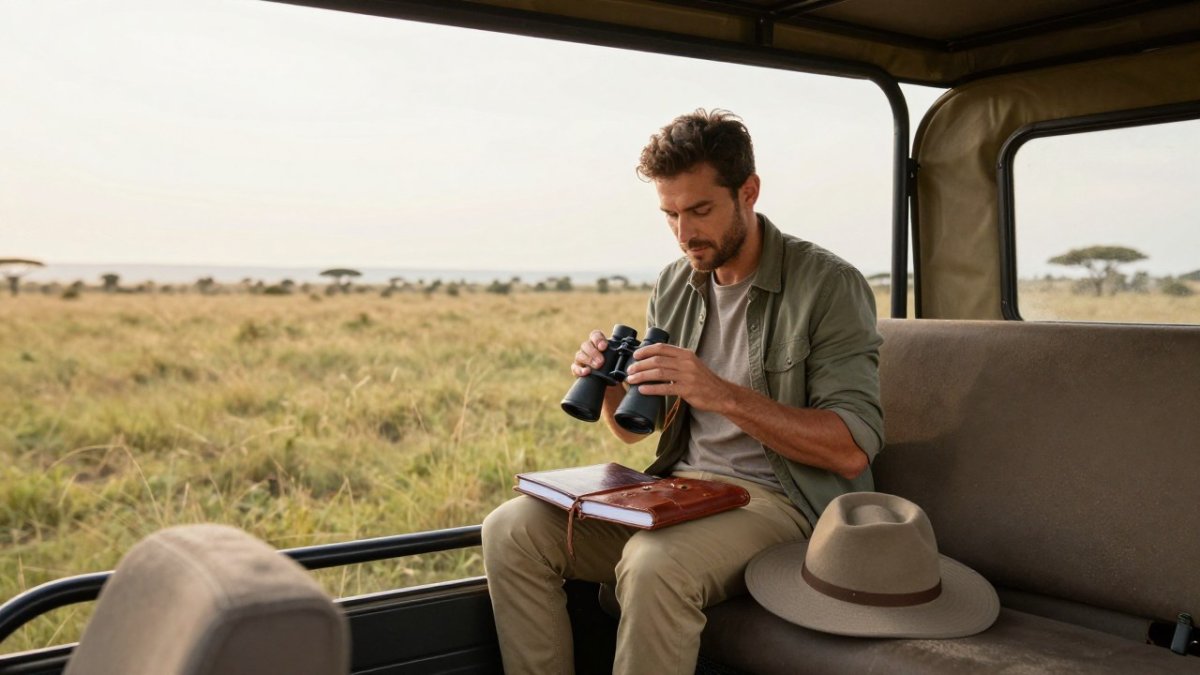
A typical game drive lasts 3-4 hours with breaks for photos and rest. You sit in a comfortable 4x4 vehicle with suspension built for rough terrain. The vehicle does the moving. You observe. This suits travellers with joint pain, arthritis, or reduced stamina.
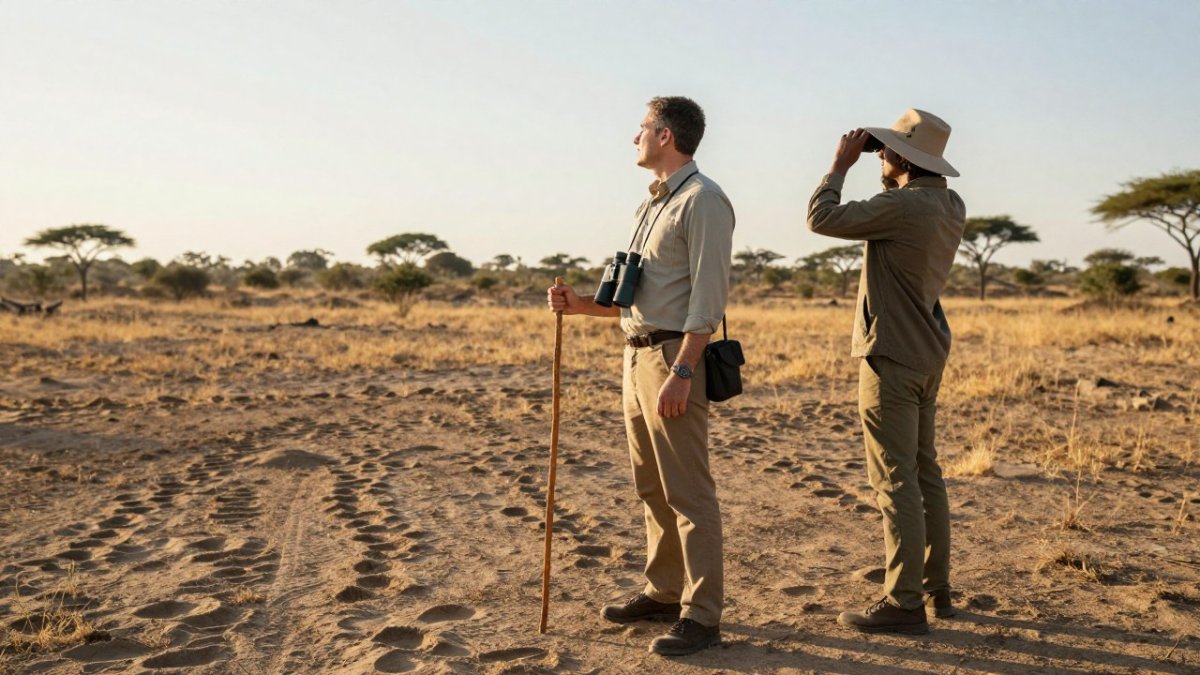
Many lodges offer short guided walks of 1-2 kilometres on flat terrain near the lodge grounds. These walks let you experience the African landscape at ground level without demanding fitness. A guide points out bird species, plants, and smaller animals. You return to the lodge for refreshments within an hour.
Some safaris include boat-based experiences on rivers or lakes. You sit throughout the entire activity. Boat safaris offer wildlife viewing with zero impact on your knees, hips, or back. Crocodiles, hippos, and water birds are often easier to spot from water than from land.
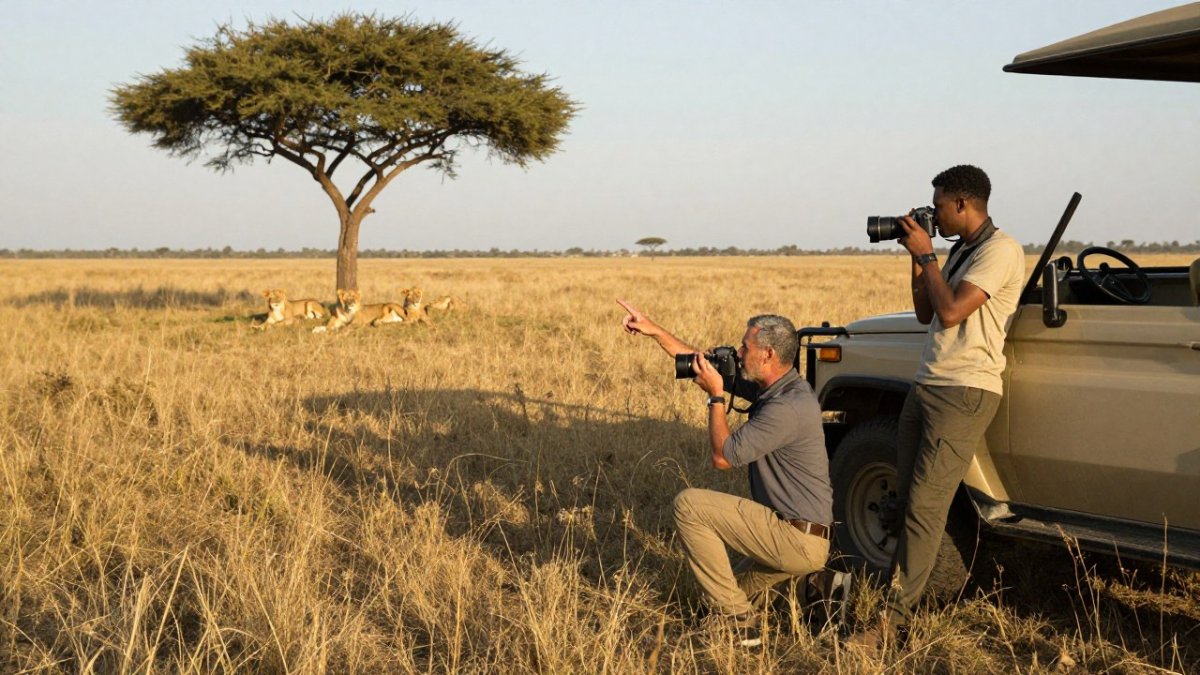
Photography hides and viewing platforms allow you to observe wildlife from a stationary position. You walk to the hide, then sit for hours watching animals come to water sources. Minimal movement, maximum sightings. This suits photographers and anyone who tires easily.
Accommodation choices matter too. Ground-floor rooms eliminate stairs. Lodges with excellent medical facilities nearby provide peace of mind. At Isba African safaris, we match accommodation to mobility needs before you arrive.
How to Prepare for a Walking Safari in Zambia
Walking safaris demand preparation that vehicle-based safaris don't. Zambia's terrain ranges from flat to hilly. Bush paths are uneven. Heat and humidity are significant factors.
Start training 8-12 weeks before your safari. Build walking distance gradually. If you currently walk 3 kilometres, increase to 5, then 7, then 10. Do this on varied terrain when possible. Uneven ground strengthens ankles and improves balance.
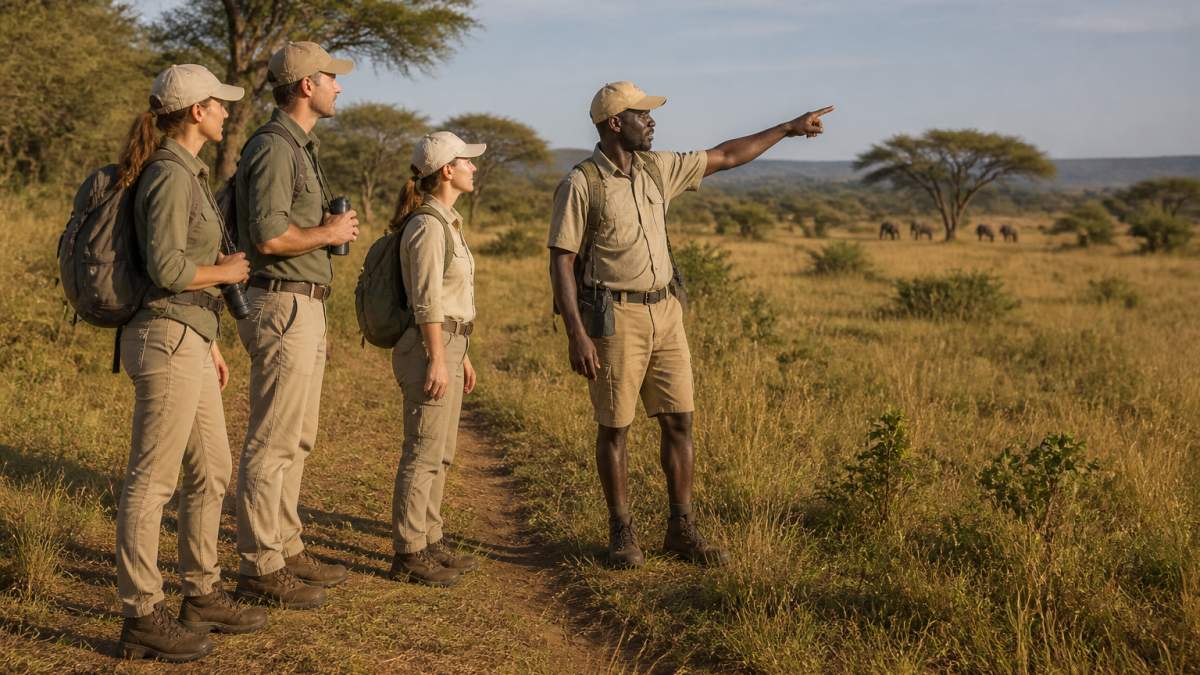
Footwear is critical. Invest in proper hiking boots with ankle support. Wear them during training walks. Break them in completely before your safari. Blisters on day two of a seven-day walking safari are miserable.
Pack layers. Zambian mornings are cool. Midday is hot. Evenings are cool again. Moisture-wicking fabrics keep you dry. Cotton retains sweat and causes chafing. Synthetic and merino wool materials are better.
Bring sun protection:
- High-SPF sunscreen (reapply every two hours)
- Wide-brimmed hat with neck protection
- Lightweight long sleeves for midday hours
- Sunglasses with UV protection
Hydration is non-negotiable. Carry at least 2 litres of water per walk (the WHO). Drink regularly, not just when thirsty. Dehydration impairs judgment and energy. In African heat, you sweat without noticing.
Physical conditioning matters more than fitness level. Someone who trains consistently but walks slowly will enjoy a walking safari more than an unfit person who's naturally fast. Consistency beats raw ability.
Building a Safari Itinerary for Mixed Fitness Levels
Multi-generational safaris test planning skills. You might have a 70-year-old with arthritis, a 45-year-old who runs marathons, and teenagers who've never hiked. One itinerary must serve all three.
The solution is structured flexibility. Each day includes activities at different intensity levels. Everyone participates in shared experiences. People also pursue activities matching their fitness.
A sample mixed-fitness day looks like this:
- 6:00 AM, Early morning game drive (everyone participates, 2 hours, vehicle-based)
- 8:30 AM, Return to lodge for breakfast
- 10:00 AM, Split activities: moderate walkers do a guided 6-kilometre bush walk; others rest or visit the lodge spa
- 1:00 PM, Lunch and rest period
- 3:00 PM, Afternoon game drive (everyone participates, 3 hours, vehicle-based)
- 6:00 PM, Evening drinks and wildlife photography review
This structure ensures everyone experiences safari highlights. No one feels left behind. The 70-year-old enjoys two vehicle drives. The marathon runner gets a challenging walk. The teenagers see lions and elephants.
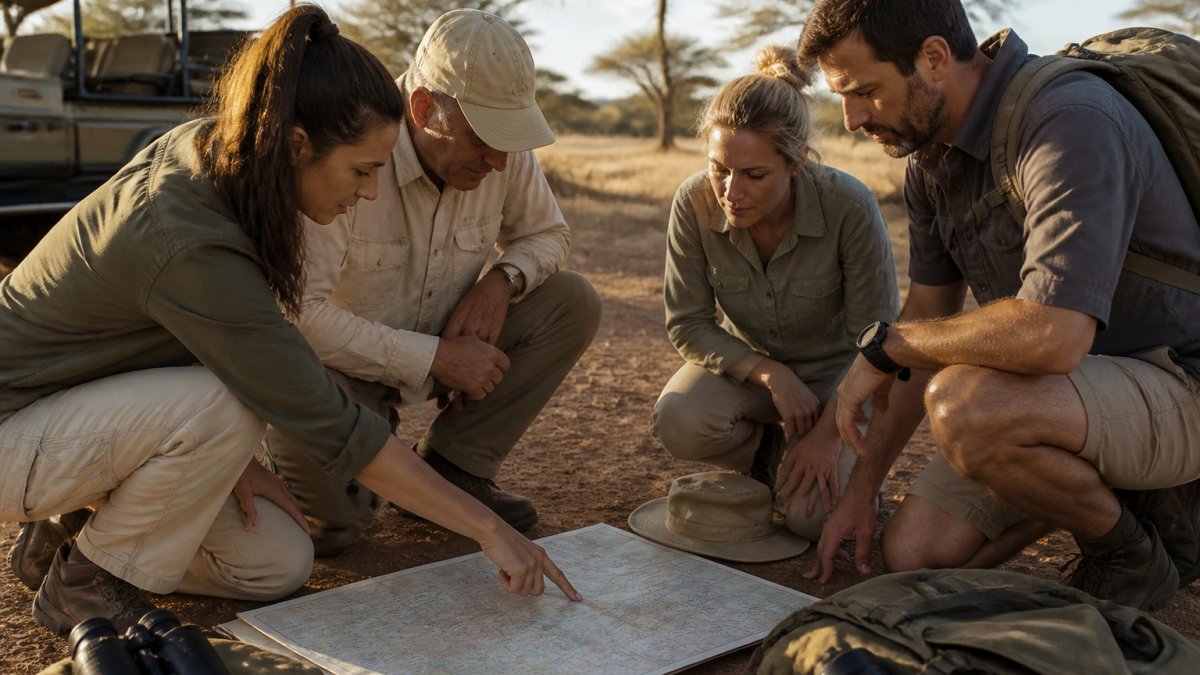
Communication with your safari operator is essential. Tell them upfront about fitness variations in your group. A good operator builds an itinerary around your actual group, not a generic template.
At Isba African safaris, we ask detailed questions about each group member's fitness before finalising itineraries. This prevents mismatches and ensures everyone leaves happy.
Accommodation and Transport Choices That Support Your Fitness Level
Your accommodation and transport directly affect your safari experience. The wrong choice exhausts you before the real adventure starts.
Vehicle choice matters. Standard safari vehicles seat 6-8 people on bench seats. They're bouncy on rough roads. Your back and joints take a beating. Premium vehicles seat 4-5 people in individual seats with suspension and air conditioning. The ride is smoother. You arrive at game drives fresher.
If you have limited mobility, request a vehicle with:
- Individual seats with lumbar support
- Air conditioning (not just open-sided)
- Smooth suspension for rough terrain
- Easy step-up height (not too high)
- Accessible storage for mobility aids if needed
Lodge accommodation ranges from basic to luxury. Basic lodges have shared bathrooms, simple beds, and no frills. Luxury lodges offer en-suite bathrooms, quality mattresses, and medical support on-site.
For limited mobility, choose lodges with:
- Ground-floor rooms (no stairs)
- Bathrooms with grab rails and accessible showers
- Quality mattresses (not thin foam)
- Proximity to dining and activities (short walks)
- On-site medical staff or nearby clinics
- Room service for meals if you need rest
Transport between lodges matters too. Long road journeys tire everyone. If your group includes people with limited fitness, break journeys into shorter segments. Stop for lunch and rest. Avoid 8-hour drives in one stretch.
Some operators offer light aircraft transfers between lodges. This costs more but eliminates long road journeys. For people with joint pain or back issues, this investment is worthwhile.
Communicating Your Fitness Needs to Your Safari Operator
Clear communication prevents disappointment. Many travellers stay silent about fitness concerns. They don't want to seem weak. Then they arrive unprepared and struggle.
Your safari operator needs to know:
- Your current fitness level (sedentary, moderate exercise, regular training)
- Any joint pain, back issues, or medical conditions
- Your preferred pace (slow, moderate, fast)
- How many hours you can walk comfortably
- Whether you prefer vehicle drives or walking activities
- Any mobility aids you use (walking poles, compression sleeves, etc.)
Be specific. "I have bad knees" is vague. "I can walk 8 kilometres on flat terrain but struggle with hills" is useful. "I take arthritis medication that requires consistent meal times" is crucial information your operator needs.
At Isba African safaris, we ask these questions in our pre-safari consultation. We use your answers to build an itinerary that works. If you're honest about limitations, we design around them. If you overstate your fitness, we can't help.
Ask your operator these questions too:
- How long are typical daily activities?
- What's the terrain like (flat, hilly, rocky)?
- Can activities be shortened if needed?
- What happens if someone gets injured?
- Are there rest days built into the itinerary?
- Can activities be swapped for alternatives?
A good operator answers these questions in detail. They explain options, not just what's standard. They show flexibility, not rigid packages.
Making the Most of Your Safari Experience
Fitness level doesn't determine safari quality. Attitude does. The best safaris come from realistic expectations and full engagement with what you're doing.
Accept that you won't do everything. If you can't manage a 12-kilometre walking safari, that's fine. You'll see more wildlife on game drives than most people see in a lifetime. Appreciate what you can do rather than regret what you can't.
Bring binoculars and a camera. These tools transform passive observation into active engagement. You spot details others miss. Photography gives your mind something to focus on beyond physical effort.
Talk to your guide. They know where animals gather, which birds are rare, how predator-prey dynamics work. A good guide transforms a drive into education. Your fitness level doesn't change this. A guide's knowledge enriches everyone equally.
Rest when you need to. Safaris aren't competitions. If a walk is tiring you, tell your guide. They'll slow down or turn back. Pushing through exhaustion ruins your experience and risks injury.
Connect with your group. Safaris bond people. Shared experiences in wild places create memories that last decades. Your fitness level doesn't prevent this connection. It just shapes which activities you share.
Safari planning for different fitness levels starts with honest self-assessment and clear communication. Your fitness determines which activities suit you best, not whether you can have a transformative safari experience. We know how to match activities to ability, accommodate mixed-fitness groups, and ensure everyone leaves changed by what they've experienced. The World Health Organisation provides guidelines on physical activity for adults of all ages, which can help you assess your baseline fitness before discussing your safari plans with your operator.
Frequently Asked Questions
How fit do you need to be to go on safari?
Safari fitness requirements vary widely depending on the type of experience you choose. Game drives require minimal physical exertion, you sit in a vehicle for several hours. Walking safaris demand moderate fitness: expect 2-5 hours of walking over uneven terrain at a relaxed pace. Most people of reasonable general health can participate. Speak honestly with your operator about any mobility concerns, injuries, or chronic conditions so they can tailor activities appropriately.
Can people with different fitness levels enjoy the same safari itinerary?
Yes, absolutely. A well-planned safari itinerary for mixed fitness levels balances activities to suit everyone. Combine shorter game drives with optional walking excursions, rest periods at camp, and flexible daily schedules. Some days might emphasise vehicle-based viewing whilst others offer gentle walks or stationary wildlife observation. Your operator can adjust pace and duration on the day based on how the group is feeling, ensuring no one feels rushed or left behind.
What should I tell my safari operator about my fitness level?
Be specific and honest. Mention any injuries, joint problems, breathing difficulties, or mobility aids you use. Describe your typical activity level at home. Share whether you prefer walking or sitting, and how long you can comfortably stand or walk without rest. Disclose any medications affecting stamina or balance. This information allows your operator to recommend suitable activities, choose appropriate accommodation with accessible facilities, and plan rest days strategically. Isba African Safaris specialises in tailoring itineraries around individual needs.
Are there safari experiences suitable for people with limited mobility?
Yes, safari activities for limited mobility include vehicle-based game drives from a comfortable 4x4, stationary wildlife viewing from lodge decks or hides, and short, flat walks near camps. Many lodges offer accessible rooms and facilities. Sunset drives, night drives, and waterhole viewing require no walking. Discuss accessibility requirements when booking; experienced operators can arrange vehicles with easy entry, position you for optimal viewing without exertion, and plan itineraries around rest and comfort rather than distance covered.